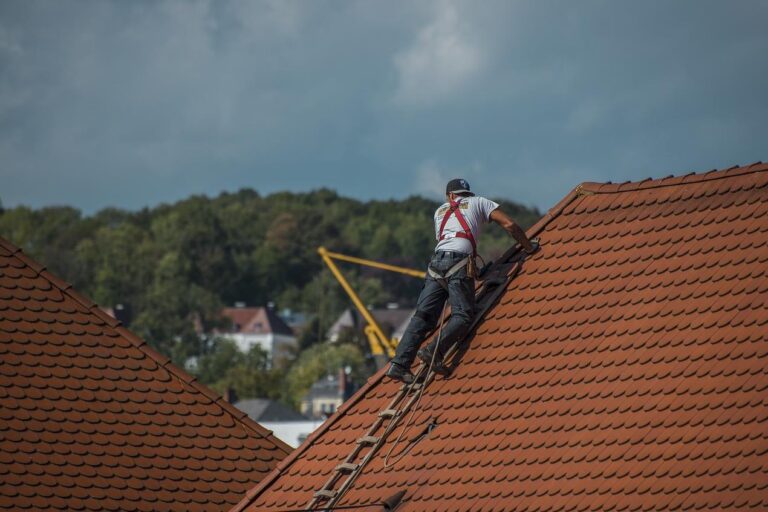

From the street’s point of view, you may think that the roof looks solid, but some may not be aware of what’s happening beneath the shingles. The condition of the materials will often determine whether the home will remain cozy or become an endless money pit.
Know that the roof is exposed to heavy rains, extreme heat, and strong winds that all conspire to penetrate its exterior layers. Once the moisture reaches underneath the shingles and reaches the deck, it’s going to result in warped plywood that can help the mold to grow. It can also ruin your insulation and may appear as stains on the ceiling. See info about shingles when you go here.
What stops the moisture is often an underlayment that’s part of the house design. Paired with proper ventilation, you can often extend the lifespan of the roof and decrease your utility bills each month. When you’re able to have a top-performing system that involves soffit vents that are used to cool the attic or a ridge vent that prevents ice dams, this can pay dividends year after year.
The consequence of not installing them right the first time includes musty odors coming from the attic. Poor airflow is going to trap the water against the wooden sheathing, and this is why you need to call the contractors who are going to help you with roof assembly and strategically safeguard your home in the process.
Why Underlayment Is the Roof’s Silent Bodyguard?
Everything begins with the foundation, and the components should work together to seal the home against severe weather conditions. This is where underlayment comes into play because it can protect your property not only against rainwater but also critters. They act as a secondary seal that blocks water from seeping into the nail holes.
Traditional felt or tar paper that’s placed between the asphalt shingles and the deck may still be used in some job sites, but you may want a polyethylene synthetic underlayment with a longer lifespan. These materials can be liquid-applied and form a seamless water barrier to help the foundation stay dry.
Moisture protection is only half of the benefits since the right underlayment can also reduce friction between the shingles and the roof deck to avoid temperature-related contraction. The result is that the granules stay intact for a longer period of time, and it prevents the roof from looking patchy.
If you’re living in a city that’s prone to hail, the thick materials are going to absorb the impact of the ice lumps, reducing the chance of cracks. Many manufacturers may often bundle extended warranties with premium membranes to preserve the service life of the outer covers.
Also, know that the installation techniques are going to matter, and this is where you should call the professionals for help. With the roofers from Gen819 Roofing & Solar, you’ll know the right materials that are ideal with the weather in your area. The crews are going to correct any overlaps and eliminate the weak points in the entire roofing system. Their meticulous work is also going to translate into decades of watertight assurances and fewer repairs after the storm hits.
Moving Air to Preserve Materials and Health
Many might not think too much about ventilation, but establishing a path of continuous airflow is important. This is because when the hot air rises, it’s going to escape through the vents at the peak, and it takes in fresh air from the soffits. This is going to expel the moisture from showers or cooking, and without this circulation, the humidity will gather on the rafters to feed mold colonies.
Not all vents can perform equally where the ridge types are often matched with the right soffit so it can supply a consistent airflow, but the gable louver ones can help with better airflow in a complicated roof design.
The overall goal is balance where the exhaust capacity should be equal to the intake to maintain steady pressure and remove stale air from the home. Most professionals follow building codes, and this is why you might want to talk to them to avoid issues, and you’ll have a watertight roof afterward.
Matching Materials to Climate and Lifestyle
The city where you live will dictate the selection of your underlayment, and in a humid coastal zone, you need to use materials that are going to repel rain. In Alpine regions, you need membranes that can protect you against ice along the eaves and valleys, and they should be sealed well to avoid the snow soaking into the roof, even if there’s prolonged cover. Meanwhile, living in a hot, arid climate will mean favoring products that are using reflective films for slower degradation.
Ventilation strategies can also vary where homes that have tall trees nearby may rely less on active heat removal, but they may require airflow to dissipate the moisture. A cathedral ceiling or those with intricate trusses may require professionals so the insulation won’t block the inlets. Each style can vary, and you can only get the right ones by calling the right professionals.
How the families live can also affect the materials, and those who are frequently cooking may want to utilize high-capacity humidifiers that can migrate upwards. If you’re going to store holiday decorations, they are going to benefit from the humidifiers because they make the temperatures more stable, and you can protect your belongings in places that you seldom visit.
Professional Installation is The Difference You Feel but Don’t See

The finest materials are something that you don’t apply carelessly. The certified manufacturers follow the industry guidelines, and the fasteners may penetrate the decking without splitting it. They verify that the insulation is in place, and they maintain a seamless design for the path of the airflow. They may also conduct final inspections with moisture meters that will catch dampness before they become moldy.
With ongoing maintenance that will keep the system performing and with the clearing of the gutters, you can prevent water from saturating the underlayment, and they won’t be able to penetrate beneath the shingles. Check the attics seasonally to confirm that the vents remain unobstructed by birds’ nests or other wildlife.
Reputable contractors can also add more value to your home since they have accountability. The firms are going to document each layer of shingles that they’re assembling, and when they’re in the process of installing the underlayment, they’re going to take pictures of the details for warranty purposes.
Expect them to have a paper trail that can simplify your insurance claims so you can get the funds for repairs. They can also boost the resale value by demonstrating that your roof is durable and it’s more than just a beautiful façade. Get in touch with the right companies in the area so they can give you an estimate about the ventilation and the roof materials that are ideal for your home.
Long‑Term Benefits That Pay for Themselves
When your roof is able to shed water efficiently, and the entire system has great airflow, it can often translate to tangible savings. With a reduced cooling load, you can lower your utilities each month, while fewer ice dams will mean less emergency labor. The shingle warranties may also depend on the proper installation and meeting them with the help of the experts to prevent homeowners from premature replacements.
There are health benefits where you can breathe fresher air without attic mold. Eliminating the excess moisture will mean that you cut the food source of the spores, and you’re safeguarding the respiratory health of everyone in the home.
With a resilient roof, you can also have peace of mind where storm forecasts will no longer trigger your anxiety about getting sudden leaks. Instead, the homeowners can now focus on routine upkeep where they can cut off the nearby branches instead of stopping the roof from collapsing. With the experts, you can transform the roof into an asset that will protect you for years to come.