
When you’re searching for ways to protect your home, you might come across many roofing terms. Some are common, but others can be confusing. One such phrase is Roofing Cop.
Is it a real roofing term? Or is it a misunderstanding of another phrase? Let’s clear up the confusion for homeowners and help you make informed decisions about your roof.
What Does “Roofing Cop” Mean?
Many homeowners have searched for Roofing Cop when looking for information about roof maintenance or repairs. However, roofing professionals do not use this term in the industry.
You will not find it in guides, manuals, or trusted roofing materials. It appears that “Roofing Cop” is either a typo or a mix-up with real terms like roofing cap or roof coping.
What Should You Really Be Looking For?
If you see “Roofing Cop,” you probably want to learn about ridge caps or coping. These are important parts of a roof that help protect your home.
What is Roofing Cap (Ridge Cap)?

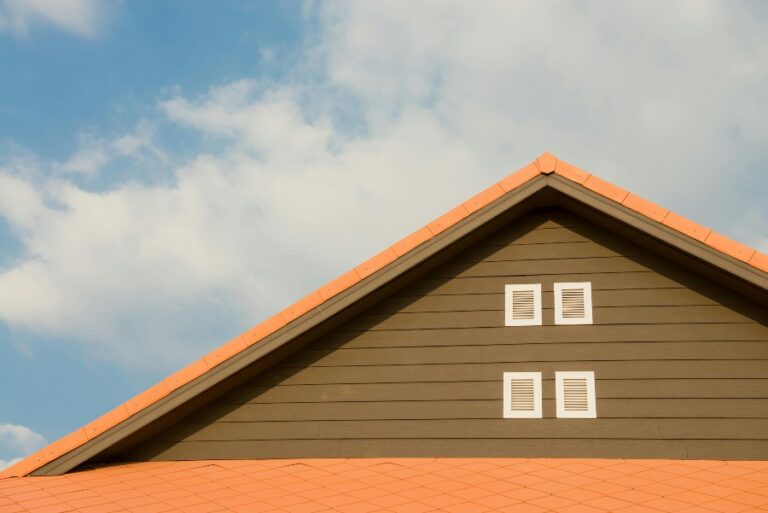
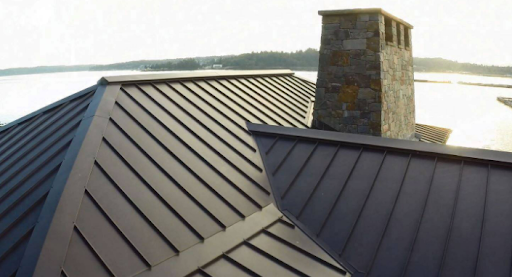
A roofing cap, also known as a ridge cap, is a special piece of material placed along the very top edge where two roof slopes meet. This area is called the roof ridge. Ridge caps are made from the same material as the rest of your roof, such as asphalt shingles, metal, or tiles, but are shaped to fit neatly over the peak and overlap both sides.
The main purpose of a ridge cap is to seal the joint at the highest point of the roof. This helps keep out rain, snow, wind, and debris, which can otherwise enter your attic or get underneath your roofing materials. Without a ridge cap, your roof could be at risk of leaks, moisture problems, and even pest entry.
Besides protecting your roof from the elements, ridge caps also give your home a clean and finished appearance. They help your roofline look tidy and even, which can boost your home’s overall curb appeal. It is important to check your ridge cap regularly to make sure it remains secure and in good condition.
What is Roof Coping?
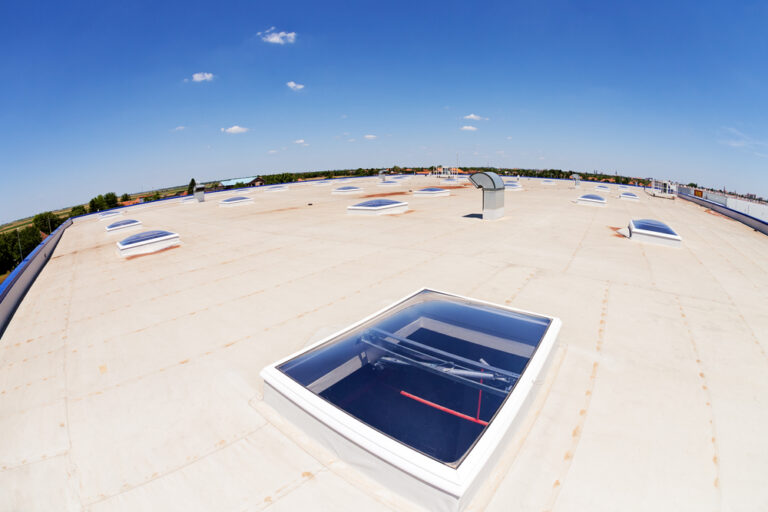
Roof coping is the protective covering that goes on top of an exterior wall, especially on flat or low-slope roofs with parapet walls. Coping serves as a cap for the top of the wall, creating a barrier that stops water from running down into the wall and causing damage.
Coping can be made from metal, stone, concrete, or other waterproof materials. Its shape is designed to direct water away from the wall, which helps prevent leaks and erosion that might weaken your building over time. For homes or commercial buildings with flat roofs, coping is an essential part of keeping the structure safe and dry.
In addition to water protection, coping can add a decorative touch to your roofline, making the transition between the roof and the wall look smooth and attractive. Homeowners should inspect coping regularly for cracks or any signs of wear, because damaged coping can lead to costly water problems inside walls or ceilings.
Why the Confusion?
It’s easy to see how terms can get mixed up, especially for new homeowners. Roofing involves technical words, and a simple typo can lead you to the wrong information.
Homeowner’s Q&A
Q1: Is Roofing Cop a product I need for my house?
A: No, “Roofing Cop” is not an actual product. You may be thinking of ridge caps or roof coping, which are important for roof protection.
Q2: How do I know if my roof needs new caps or coping?
A: Look for visible cracks, missing pieces, or signs of leaks near the roof peak or wall edges. If you see any of these, contact a roofing professional.
Q3: Can I install a ridge cap or coping myself?
A: Basic repairs are possible for skilled DIYers, but roofing work can be risky. For safety and quality, it’s best to hire a professional roofer.
Common Roofing Terms vs. “Roofing Cop”
Here’s a quick comparison table to help you understand the correct terms.
| Term | What It Means | Is It Real? |
|---|---|---|
| Roofing Cop | Common typo or confusion, not an industry term | No |
| Ridge Cap | Material covering the roof peak to prevent leaks | Yes |
| Roof Coping | Protective layer for parapet walls or flat roof edges | Yes |
| Flashing | Metal strips sealing roof joints and edges | Yes |
| Roof Deck | The base layer that supports all roofing materials | Yes |
Engaging Tip Box
Did you know?
Ridge caps and coping not only keep water out but also add a finished look to your roof. Regular roof inspections can help you spot small issues before they become expensive problems.
Final Thoughts
If you see “Roofing Cop” online, remember that it isn’t a true roofing term. Instead, focus on real products and techniques, like ridge caps and coping, to protect your home. Trust reliable sources, work with experienced roofers, and keep your roof in top shape for years to come.