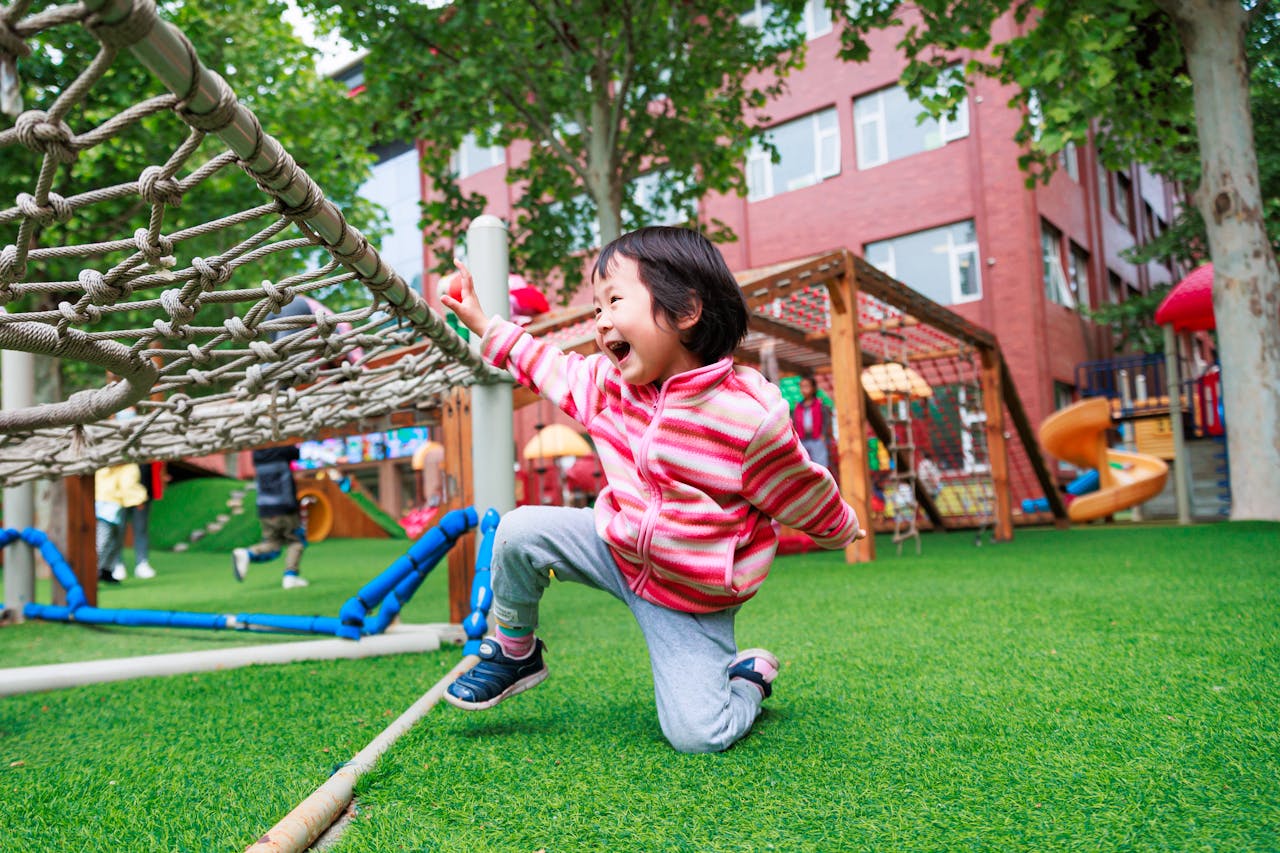
Spring and early summer are magical seasons for families. Long daylight hours, warm weather, and school breaks turn backyards into prime territory for active entertainment.
From high-energy basketball games in the driveway to afternoon watercolor painting on the patio and muddy exploration near the garden beds, children utilize every square inch of a residential property.
While this active lifestyle is fantastic for development and reducing screen time, a full season of heavy use leaves a predictable and distinct structural footprint on your property’s exterior. Understanding these wear patterns makes it much easier to balance seasonal family fun with proactive property maintenance.
1. Tracking High-Traffic Wear Patterns
Just like indoor carpeting, exterior hardscapes and wooden surfaces develop distinct wear paths over months of heavy foot traffic.
- Decks and Patios: The areas directly surrounding outdoor furniture, play kitchens, and transition doors take an immense beating. Leftover fruit juice drips, melted popsicles, and dropped snacks create sticky residue layers that attract dirt and encourage dark mold spores to take root.
- Walkways and Driveways: The pathways connecting the front yard to the backyard host constant traffic from bicycles, scooters, and running shoes. This frequent friction rubs surface dirt deep into porous concrete, leading to embedded, dark gray tracking lines.
2. Sports Zones and Activity Impact Areas
Dedicated play areas experience concentrated structural stress that extends far beyond normal foot traffic.
Driveway basketball courts and brick patio boundaries frequently accumulate dark rubber scuff marks from sports balls and athletic shoes. Furthermore, popular seasonal creative activities—such as applying layers of colorful sidewalk chalk—can leave behind a stubborn, chalky film that resists standard garden hose rinsing, muting the natural color of your stone or concrete surfaces.
3. The Migration of Organic Debris
When children play outside, the boundaries between different sections of your yard naturally blur.
| Source Material | The Playtime Action | The Maintenance Result |
|---|---|---|
| Garden Mulch & Soil | Dug up for imaginary mud kitchens or tracked by shoes. | Accumulates on stone pavers, holding moisture and causing green slime growth. |
| Cut Grass Clippings | Ran through after lawn care or kicked onto hard surfaces. | Sticks to wooden decks, leaving green chlorophyll stains as it dries. |
| Sand & Sandbox Grit | Spilled over the sides during sandbox excavation projects. | Acts as an abrasive under rolling toy wheels, scratching surface finishes. |
4. Preserving Your Assets Without Restricting Play
Maintaining a beautiful home does not mean you have to limit your family’s warm-weather fun. The key lies in implementing an efficient maintenance schedule right as heavy seasonal use winds down.
Rather than stressing over every minor spill as it happens, many proactive families plan a thorough cleanup once the peak activity season transitions into late summer hosting. Scheduling professional exterior house washing in Columbia is a highly effective way to instantly wash away embedded mud, organic playground grime, grass stains, and sticky residue from your hardscapes, siding, and decks. This specialized deep clean refreshes your outdoor entertaining zones, ensuring your surfaces remain beautiful and structurally protected for the next round of family gatherings.
Conclusion: Embracing the Cycle of Home Renewal
A backyard filled with the signs of childhood activity is a sign of a vibrant, happy home. Debris, scuffs, and organic spills are simply temporary biproducts of making great memories. By embracing a routine structural cleaning process at the end of heavy play seasons, you can let your children play freely while ensuring your property’s structural longevity and curb appeal remain perfectly optimized for years to come.