Many homeowners feel confused when discussing home stories and basement levels. A common question in real estate and home design is: does a basement make a home a multi story house? The answer depends on how the basement is built, how much of it is above ground, and how local building codes classify the structure.
This topic matters because home classification affects property value, resale listings, insurance details, taxes, and renovation plans. Some buyers also prefer single-story homes, while others look for homes with multiple living levels. Understanding how basements fit into home design helps homeowners make smarter property decisions.
This guide explains basement classifications, home story definitions, practical design factors, cost insights, and common mistakes in simple language.
Quick Guide
- A basement does not always count as a full story
- Local building codes often decide the classification
- Finished basements may increase usable living space
- Walkout basements are treated differently in some areas
- Multi-story classification affects resale and appraisals
- Basement height and visibility above ground matter
- Proper permits are important for basement renovations
- Finished basements may improve property value
- Insurance and taxes can change based on classification
- Always check local regulations before remodeling
Understanding What Counts as a Story in a Home
Multi-story house usually refers to a home with multiple above-ground living levels. Most people think of a two-story home as a structure with one main floor and another full floor above it.
Basements create confusion because they are partially or fully below ground level. In many cases, a basement is not automatically counted as a story.
The classification depends on several factors:
- How much of the basement sits above ground
- Ceiling height
- Finished or unfinished condition
- Access points
- Local building codes
For example, a fully underground basement often does not count as an additional story. A walkout basement with full windows and doors may sometimes be treated differently.
What Is a Basement?
A basement is the lower section of a home located partly or completely below ground level. Basements are commonly used for:
- Storage
- Laundry areas
- Utility systems
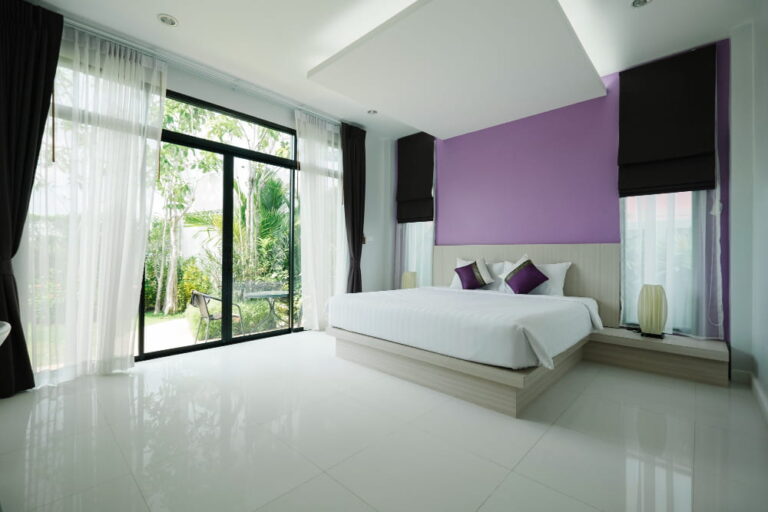
- Additional bedrooms
- Family rooms
- Home offices
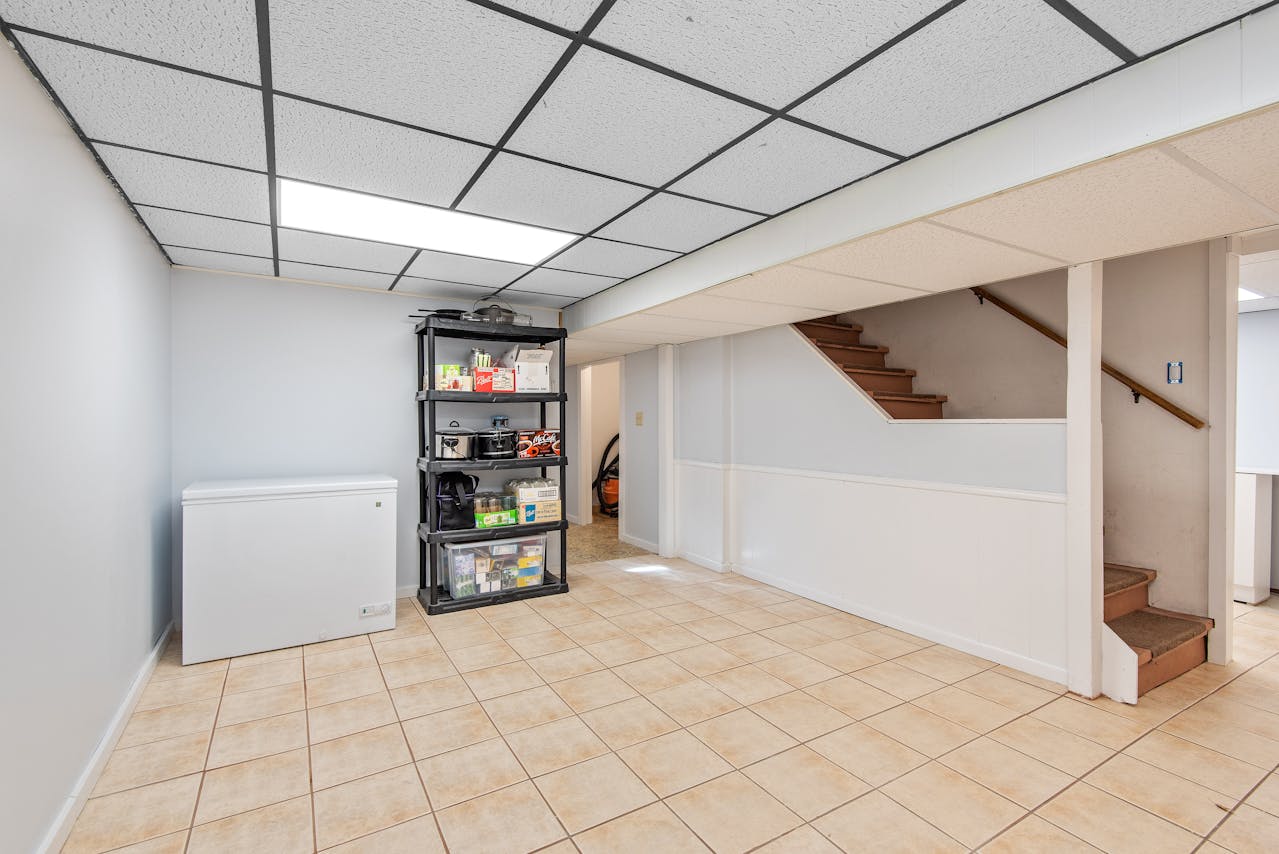
Some homes have unfinished basements with exposed concrete and utility pipes. Others have fully finished spaces that look similar to the upper floors.
Finished basements often increase usable square footage and improve home functionality.
Does a Basement Make a Home a Multi Story House?
The simple answer is: not always.
In most cases, a basement alone does not automatically turn a single-story home into a multi-story home. However, some situations can change that classification.
Fully Underground Basements
If most of the basement sits below ground level, it is usually not counted as a separate story.
For example:
A ranch-style home with one main floor and a below-ground basement is still commonly described as a single-story home with a basement.
Walkout Basements
A walkout basement includes direct outdoor access through doors or large windows.
In some local building regulations, this type of basement may count differently because part of the structure sits above grade.
Raised Basements
Homes built on sloped land sometimes have raised basements that appear almost like a second floor from one side of the property.
In these situations, the home may appear visually multi-story even if officially classified differently.
Why Basement Classification Matters
Home classification affects several practical areas.
Real Estate Listings
Property listings often describe homes based on official classifications.
A finished basement may increase usable living space without changing the number of stories.
Property Value
Finished basements usually improve resale value because buyers gain additional functional space.
For example:
A finished basement with a bathroom and entertainment area may attract more buyers compared to an unfinished storage basement.
Insurance Costs
Insurance companies sometimes calculate risk differently depending on basement type and flooding exposure.
Taxes and Permits
Some local governments assess taxes partly based on livable square footage and structural classification.
Renovating a basement without permits can create legal and financial problems later.
Different Types of Basements
Understanding basement types helps explain why classifications vary.
1. Full Basement
A full basement runs beneath most or all of the house footprint.
It usually contains:
- Utility systems
- Storage
- Open unfinished areas
These basements are commonly not counted as additional stories.
2. Finished Basement
A finished basement includes completed flooring, drywall, lighting, and living spaces.
Common features include:
- Bedrooms
- Home theaters
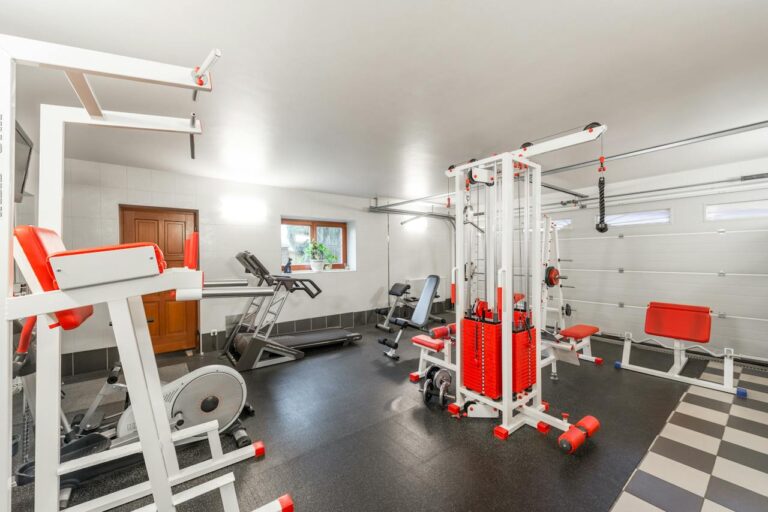
- Gyms
- Offices
Even though finished basements increase usable space, they may still not count as a full story officially.
3. Walkout Basement
A walkout basement includes direct outdoor access.
This design works well on sloped land and often provides more natural light.
Because much of the wall sits above ground, some local codes may treat it differently from standard basements.
4. Daylight Basement
Daylight basements have larger windows that allow natural sunlight inside.
These spaces feel more like standard living areas and are popular in modern home design.
How Building Codes Affect Basement Classification
Local building codes play a major role in home classification.
Different cities and states use different rules for:
- Ceiling height
- Window size
- Emergency exits
- Above-ground exposure
- Occupancy standards
For example:
One city may classify a raised basement as a story, while another may still treat it as basement space.
Homeowners should always verify local regulations before renovations or resale planning.
Planning a Basement Renovation
Many homeowners finish basements to create more living space. Good planning helps avoid expensive mistakes.
Check Moisture Levels First
Basements are more vulnerable to moisture problems than upper floors.
Before renovation:
- Inspect for leaks
- Check foundation cracks
- Improve drainage if needed
Ignoring moisture issues can damage flooring and walls later.
Decide the Purpose of the Space
Clear planning improves layout decisions.
Popular basement uses include:
- Guest rooms
- Home offices
- Family entertainment rooms
- Rental units
- Fitness areas
Each purpose may require different lighting, electrical work, and ventilation.
Understand Permit Requirements
Many basement renovations require permits.
This becomes especially important for:
- Bedrooms
- Bathrooms
- Electrical upgrades
- Plumbing installations
Permit violations can reduce resale value and delay future home sales.
Cost Insights for Basement Projects
Basement projects vary greatly in cost depending on size and finish level.
Basic Unfinished Basement Improvements
Simple improvements may include:
- Paint
- Shelving
- Lighting
- Floor sealing
Estimated cost:
- $1,000 to $5,000
Mid-Range Finished Basement
Typical features may include:
- Drywall
- Flooring
- Lighting
- Entertainment areas
Estimated cost:
- $15,000 to $40,000
High-End Basement Renovations
Luxury projects may include:
- Home theaters
- Bars
- Bedrooms
- Bathrooms
- Separate entrances
Estimated cost:
- $50,000 or more
Frequently Asked Questions
Q1. Does a basement make a home a multi story house?
Not always. Many basements do not count as additional stories unless local building codes classify them that way.
Q2. Does a finished basement count as another floor?
A finished basement increases usable living space, but it may not officially count as another story.
Q3. What is a walkout basement?
A walkout basement includes direct outdoor access and usually sits partly above ground level.
Q4. Can a basement increase property value?
Yes. Finished basements often improve resale value because they add functional living space.
Q5. Do basement renovations require permits?
In many areas, yes. Electrical, plumbing, structural, and bedroom additions often require permits.
Q6. Why do some homes with basements look multi-story?
Raised or walkout basements can make homes appear taller because part of the basement sits above ground.
Final Thoughts
The answer to does a basement make a home a multi story depends on construction style, local regulations, and how much of the basement is above ground. In many cases, a standard basement does not officially turn a home into a multi-story property.
However, finished basements still add valuable living space and improve home functionality. Proper planning, waterproofing, lighting, and permit approval are important before starting any basement project.
Understanding basement classifications helps homeowners make smarter renovation, resale, and investment decisions while avoiding expensive mistakes later.