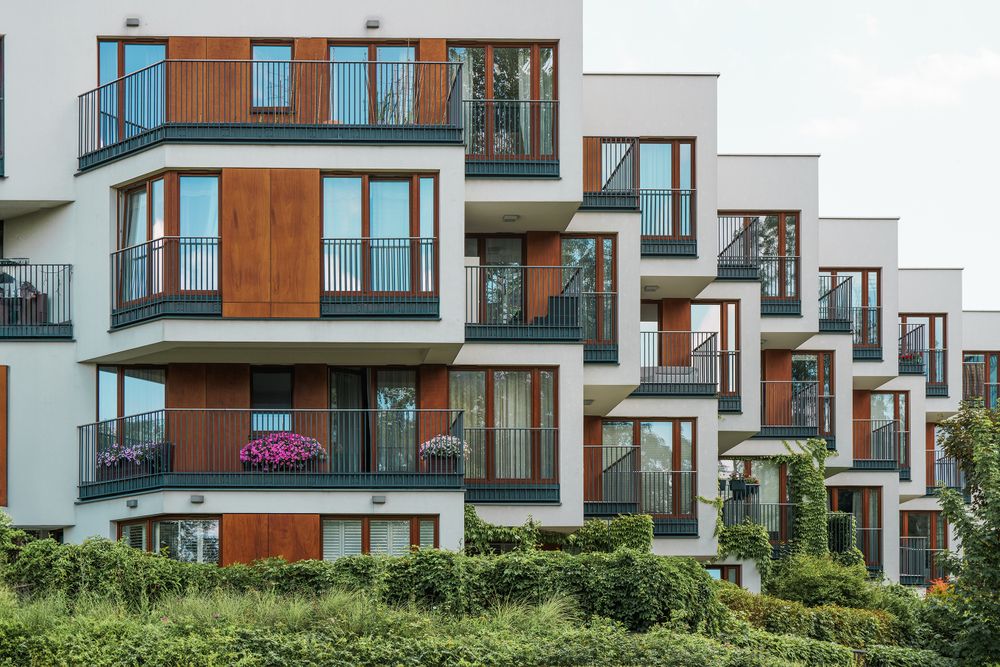
Proactive maintenance systems protect real estate asset value, reduce turnover costs, and ensure consistent tenant satisfaction. Multi-family housing complexes face continuous wear and tear across individual units and shared facilities. Without structured upkeep routines, minor repair requests quickly cascade into expensive structural repairs and tenant disputes. Property management teams rely on organized dispatch systems, routine inspections, and preventative maintenance schedules to keep residential communities running smoothly.
Tackling Plumbing Leaks and Drainage Failure
Plumbing emergencies represent the most frequent maintenance requests in multi-family residential communities. A single burst pipe or overflowing toilet can cause thousands of dollars in water damage across multiple floors within minutes.
Property managers mitigate plumbing risks by implementing standardized response protocols for emergency work orders. Experienced maintenance teams keep high-wear replacement components on hand, including toilet flappers, wax rings, faucet cartridges, and flexible supply lines.
To prevent systemic failures, managers schedule semi-annual drain main line jetting and clear tree root intrusions near main sewer lines. Installing pressure-reducing valves across major distribution loops further shields interior fixtures from high-pressure water surges.
Maintaining Heating, Ventilation, and Air Conditioning Performance
HVAC failures directly affect tenant comfort and rank among the top reasons residents choose not to renew leases. Extreme temperature swings place heavy demands on central heat pumps, rooftop chillers, and individual unit split systems.
Property management teams combat seasonal breakdowns through structured preventative maintenance contracts. Technicians service heating and cooling equipment twice yearly, replacing air filters, clearing condensate drain lines, inspecting electrical connections, and checking refrigerant levels.
Managers also utilize digital ticketing portals that allow residents to submit climate control issues instantly. Rapid response times minimize tenant distress and prevent frozen evaporator coils or compressor burnout caused by neglected filter clogs.
Resolving Appliance Malfunctions in Resident Units
In-unit appliances like refrigerators, dishwashers, ovens, and washing machines undergo daily usage from tenants. When these units break down, residents experience immediate disruption to their home life.
Effective property managers maintain an inventory of standard replacement parts and keep spare backup appliances on-site for immediate swap-outs. Standardizing appliance brands across all apartment units simplifies replacement inventory and allows maintenance staff to master routine repairs.
When an aging appliance requires repeated servicing, smart management teams analyze lifetime repair costs against full replacement value. Upgrading to energy-efficient models reduces long-term operational costs while boosting property presentation during leasing tours.
Streamlining Work Order Management Through Modern Software
Paper logbooks and manual dispatch systems lead to missed requests, miscommunicated priority levels, and frustrated tenants. Modern property managers rely on cloud-based property management software to coordinate maintenance workflows seamlessly.
Digital work order systems allow residents to log repair requests directly from their smartphones, attach photo documentation, and authorize entry permissions. The software automatically assigns tickets to available maintenance technicians based on skill requirements and current task density.
Automated tracking features give management visibility into open repair tickets, average resolution times, and recurring unit issues. This data allows property managers to hold maintenance staff accountable, forecast capital reserves accurately, and maintain clear communication channels with residents throughout the repair process.
Controlling Pest Control and Environmental Hygiene
Pest infestations threaten structural integrity and violate basic housing habitability standards. Insects and rodents move quickly between neighboring units through shared wall cavities, utility chases, and floor joists.
Property managers address pest risks by contracting licensed pest control vendors for recurring unit inspections and perimeter barrier treatments. Rather than treating isolated apartment complaints individually, managers mandate building-wide extermination protocols whenever activity is reported.
Educating tenants on proper waste disposal, sealing building envelope gaps with expanding foam and steel wool, and maintaining secure dumpster enclosures prevents pest populations from taking root within the community.
Conclusion
Proactive maintenance programs form the foundation of successful Apartment complexes Spanish Fork management. By addressing common plumbing, HVAC, appliance, and structural issues through organized workflows and digital tracking tools, property managers protect physical assets while delivering high living standards for residents. Establishing routine preventative care over emergency firefighting minimizes long-term repair expenses, strengthens community retention rates, and preserves overall property value.