
When people feel their home looks dated, their instinct is demolition. Tear down walls, rip up floors, add an extension. Renovation shows fuel the fantasy that a sledgehammer is the only path to transformation. The truth is less glamorous and far more cost-effective.
Often, the biggest shift in how a space feels isn’t in square footage or granite countertops. It’s in light. The way daylight moves through a room determines mood, energy, and even the illusion of size. And the gatekeepers of that light are your windows.
The Psychology of Light and Space
Natural light isn’t just a design element. It has direct links to mental health, productivity, and even sleep quality. Research from the National Library of Medicine shows that exposure to daylight regulates circadian rhythms, improves alertness, and reduces symptoms of depression. In other words, sunlight through your windows is not just aesthetic, it’s biological. A poorly lit room feels heavy, regardless of its décor. A bright, airy space can feel expensive, even when the furniture is minimal.
Why Windows Outperform Paint and Furniture
You can repaint your walls every season and swap out your furniture every decade, but if your windows are small, outdated, or inefficient, the room will always underperform. A new sofa won’t fix shadows in the corners. A trendy paint color won’t fix drafts or rising energy bills. Windows set the baseline for how every other design decision functions. If the light is wrong, everything else feels wrong.
The Hidden Cost of Old Windows
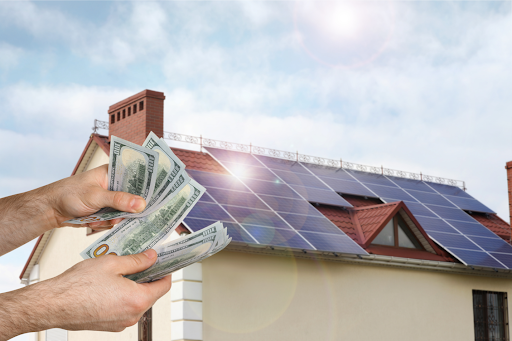
Many homeowners underestimate how much energy escapes through inefficient glass. The U.S. Department of Energy estimates that heat gain and loss through windows are responsible for 25–30 percent of residential heating and cooling energy use. That means outdated windows aren’t just compromising your style. They’re actively draining your bank account every month. Choosing modern, energy-efficient windows isn’t just a design upgrade. It’s a financial strategy.
Windows as Design Anchors
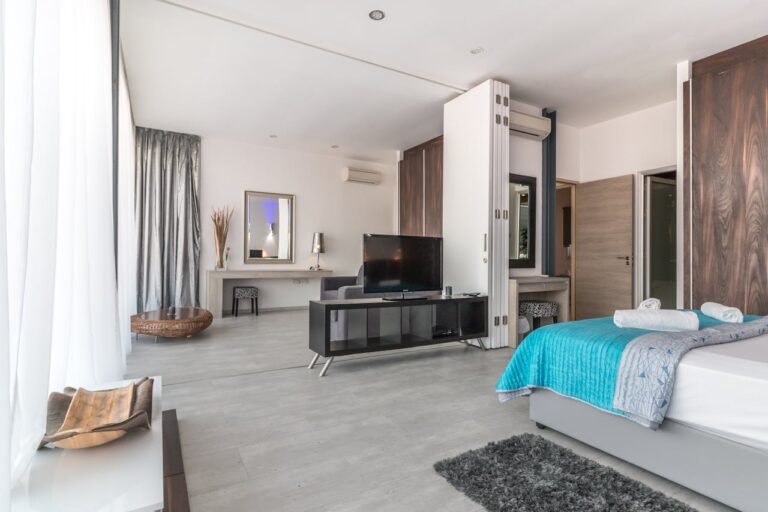
Interior designers often start with windows when planning a space. Their placement, size, and style dictate everything from furniture layout to color palette. A room with large, modern windows doesn’t need ornate décor. The view and the light do the heavy lifting. On the other hand, a room with small or aging windows forces overcompensation: heavier lighting, unnecessary clutter, and constant attempts to “brighten things up.”
The Lifestyle Shift That Comes with Better Windows
Imagine waking up in a bedroom where morning light filters in softly, instead of relying on blackout curtains to hide the glare of old glass that never fully shuts. Picture hosting friends in a dining room where the glow of sunset paints the walls naturally, no artificial dimmers needed. The upgrade isn’t just architectural. It changes how you live. Rooms become places you want to spend time in, not spaces you tolerate.
The Energy Efficiency Argument
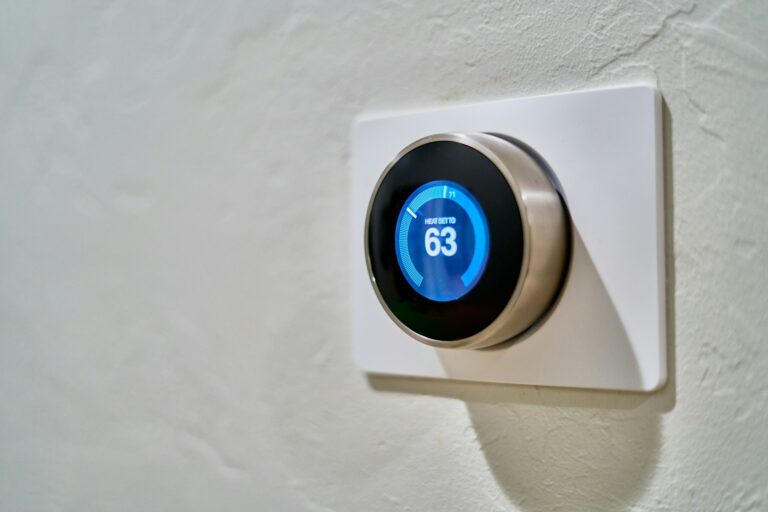
Modern windows are engineered for insulation. Double- and triple-glazed panes, low-emissivity coatings, and durable frames reduce thermal transfer. That translates into lower heating bills in the winter and cooler interiors in the summer. According to Natural Resources Canada, upgrading to ENERGY STAR certified windows can save homeowners an average of 45 percent on energy bills compared to non-certified models. The long-term savings stack up, making the upfront investment less of a splurge and more of a safeguard.
How Windows Shape Resale Value
Buyers notice light before they notice crown molding. A home with large, efficient, well-placed windows often feels more modern and valuable, even if the square footage is modest. Real estate agents know that the right windows can push listings into higher price brackets because they create the illusion of openness and quality. Renovations might add a layer of polish, but windows add equity.
Why DIY Fixes Don’t Work
Curtains, blinds, and artificial lighting are often treated as band-aids for poor windows. But these solutions only mask the problem. Heavy drapery blocks potential daylight. Lamps add clutter and still leave corners untouched. Windows are the architectural root of the issue, and no amount of styling can make an old drafty frame perform like a modern, precision-built one.
A Case for Choosing the Right Manufacturer
All windows are not created equal. The difference between an average product and a high-quality one is longevity, performance, and design precision. Companies like Golden Windows specialize in windows engineered to deliver energy efficiency and style simultaneously. Choosing a trusted manufacturer means the upgrade doesn’t just last for a season. It holds up for decades.
The Sustainability Factor
Upgrading windows isn’t just about personal benefit. Efficient windows reduce energy consumption, which directly cuts greenhouse gas emissions. According to the International Energy Agency, improving building efficiency is one of the most effective strategies for reducing carbon footprints globally. Better windows are a small but tangible step in climate-conscious living.
Design Trends that Center on Windows
Contemporary architecture leans heavily on glass. Open-plan layouts, indoor-outdoor living, and biophilic design all depend on windows as focal points. Floor-to-ceiling panes, sliding glass walls, and creative shapes aren’t just trends. They’re reflections of how people want to live: more connected to the outside, less boxed-in. Even in traditional homes, larger or strategically placed windows can bring an outdated layout into the present.
When the Upgrade Pays for Itself
Between energy savings, improved comfort, and resale value, the return on investment for high-quality windows can be substantial. According to Remodeling Magazine’s Cost vs. Value Report, homeowners recoup on average 67–73 percent of the cost of window replacements upon resale (source). Factor in monthly energy savings and the lifestyle upgrade, and the payback timeline shrinks even further.
The Emotional Payoff of Living Well
We underestimate how much our homes affect our mental state. A dark, drafty house isn’t just a financial problem. It’s an emotional one. Constantly turning on lights, battling uneven temperatures, or dealing with condensation is exhausting. Replacing windows is a one-time disruption that permanently reduces these micro-stresses. And unlike many renovations, the benefits are immediate and daily.
Final Thought
The fantasy of a full-scale renovation is seductive. But for most homeowners, the smarter move is simpler. Upgrade your windows. You’ll feel the difference in your energy bills, your resale value, and most importantly, in how your home feels to live in.