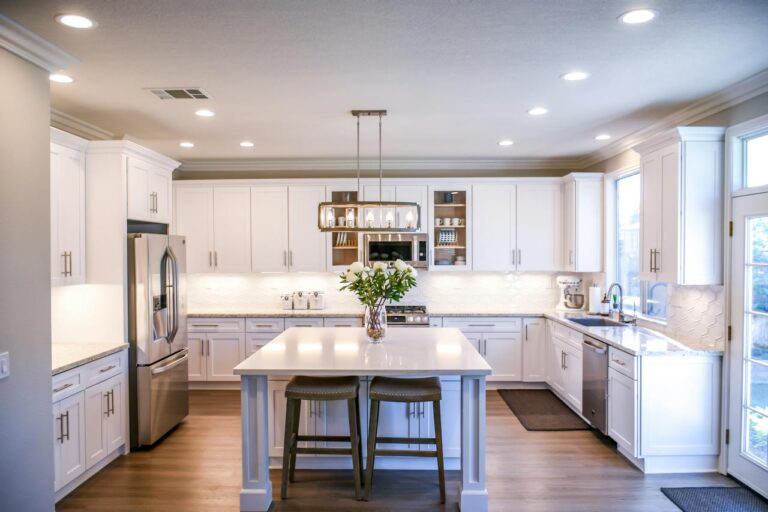
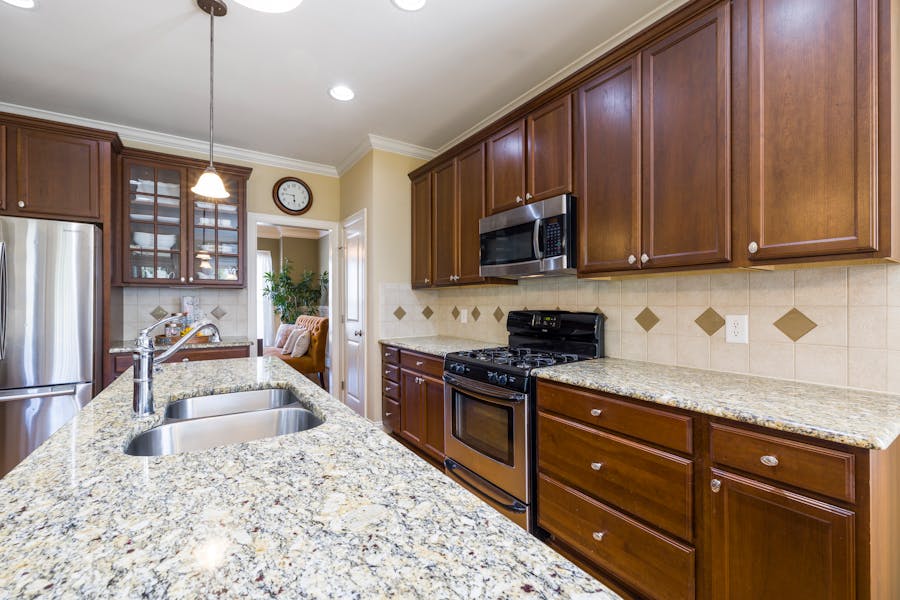
If you’re planning a kitchen update, choosing the right countertop can feel like a small decision that snowballs fast. Quartz and granite are two of the most popular options out there, but they’re pretty different once you get into the details. Here’s a straightforward breakdown to help you figure out which one fits your space, your habits, and how you want your kitchen to feel day to day.
What is Quartz?
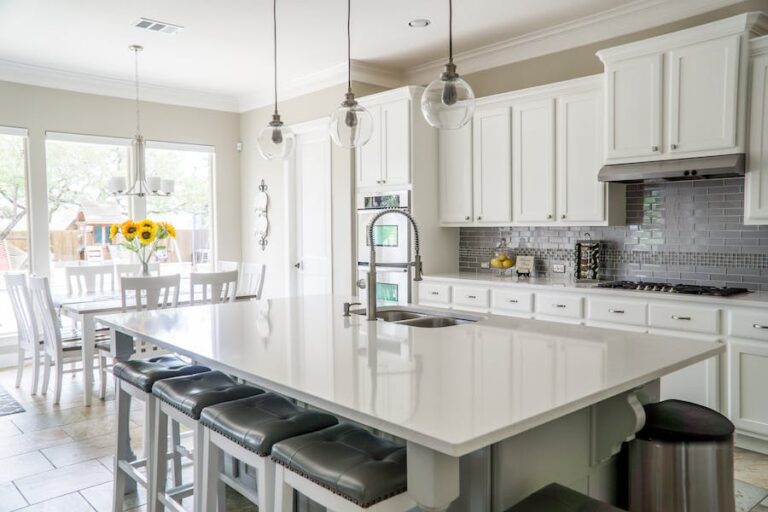
Quartz is engineered, so it’s not pulled straight from the earth like granite. It’s roughly 90-95% ground-up stone mixed with 5-10% resin and other materials. That might sound like a downside, but it actually makes quartz much more consistent in color and pattern. While it mimics natural stone, it gives you more flexibility in aesthetics. If you want something clean, subtle, or modern-looking without random swirls and specks, quartz might be the perfect choice.
It’s also extremely low-maintenance. Since it’s non-porous, it won’t absorb spills, stain easily, harbor bacteria, or grow mold. You don’t have to worry about sealing, polishing, or using special cleaners. These features make it a great choice if you don’t want to deal with high-maintenance surfaces. Unlike some natural stones, quartz countertops can hold up to daily wear without showing it, which is a huge benefit if your kitchen gets a lot of use.
What is Granite?
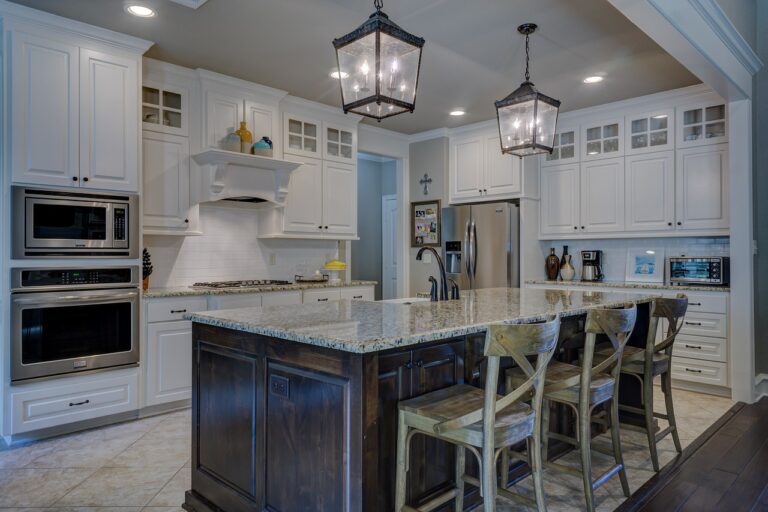
Granite is 100% natural stone, so no two slabs are exactly alike. That variation is what a lot of people love about it. It has more personality and an organic feel, so you won’t get stuck with something that looks engineered. If you want your kitchen to have more texture and depth, granite brings that without trying too hard.
It’s incredibly durable and handles heat well. You can set a hot pan down without worrying about scorching or cracking the surface. The tradeoff is it’s higher maintenance. Granite is porous and needs sealing to keep it from soaking up oils, wine, or anything else that might stain. You’ll also want to avoid harsh or acidic cleaners that can wear down the sealant over time. With the right care, though, granite countertops can last for decades and still look great.
Preparing for Installation
Whether you go with quartz or granite, installing new countertops usually means getting rid of the old ones. If you’re doing a full kitchen update or demoing other parts of the space, it helps to have a plan for the mess. Renting a dumpster for your project is an easy way to handle it, especially when you’re tossing out heavy stuff like broken stone or old cabinets.
Which is The Better Choice?
It really comes down to what matters most to you. If you want something that looks sleek, holds up well, and doesn’t need a lot of upkeep, quartz is probably the better fit. It’s great for modern or minimal spaces, and the low maintenance allows you to install it and not think about it again.
If you prefer natural materials and a bit of character, granite might be the way to go. It’ll need a little more care, but provides a one-of-a-kind surface with depth and variation you won’t get from anything engineered. If that kind of natural texture matters to you, it’s probably worth the extra maintenance.
Conclusion
At the end of the day, both quartz and granite have a lot going for them. Your best option comes down to your kitchen’s look, your personal style, and how much upkeep you’re comfortable handling. Whichever direction you go, you’ll end up with a countertop that not only looks good, but actually works for how you live.