
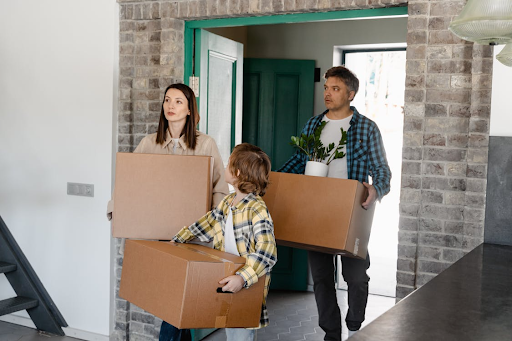
Moving with kids often feels overwhelming because you juggle logistics, emotions, and routines all at once. You try to keep everyone calm while you pack boxes, manage schedules, and plan the next chapter of your life. Kids feel every shift, so you need to guide them with clarity, patience, and reassurance. When you approach the move with the right strategies, you help your children adjust with confidence instead of anxiety. You also make the entire experience feel more manageable for yourself. With a thoughtful plan, consistent communication, and practical steps, you can create a smooth and positive transition for your family.
Talk to Your Kids Early and Honestly
Kids respond well when you give them time to process changes. You explain the move in simple terms and answer their questions with honesty. You highlight the parts that excite them, such as new parks or a bigger room, while you also address their concerns without dismissing their feelings. You reassure them that their routines will stay familiar, even in a new environment. You stay open to ongoing conversations because children understand change gradually. When you involve them early, you reduce fear and build trust, which leads to a calmer transition for everyone.
Create a Clear Moving Plan Together
A detailed plan helps kids feel secure because they understand what comes next. You walk them through each step, from packing to the first night in the new home. You let them help with age-appropriate tasks so they stay engaged rather than confused. You also set realistic expectations about timing and daily routines during the move. When you commit to structure, you build a sense of stability that kids need during major changes. As you outline the process, you should also coordinate with a reliable local moving company to keep the schedule smooth and predictable for your family.
Let Kids Personalize Their New Space
Kids feel more excited about a move when they play an active role in shaping their new environment. Let them choose colors, décor ideas, or layout options for their room. You encourage them to imagine how their favorite items will fit into the new space. When they participate in these decisions, they feel ownership rather than loss. You also talk about the fun possibilities that come with a fresh start. You keep the process light and positive, so they associate the move with creativity and discovery instead of worry or uncertainty.
Maintain Familiar Routines Throughout the Move
Kids depend on consistency to feel safe. You keep bedtime, meals, and daily rituals as close to normal as possible, even when everything else shifts around you. Pack essential comfort items last so they remain accessible. Protect moments like reading together or enjoying a family snack because these habits reassure children that not everything changes at once. When you preserve structure, you create emotional stability amid the chaos of moving day. This steady rhythm allows your kids to adjust at a healthy pace and reduces stress for the entire family.
Encourage Kids to Express Their Feelings
Children need space to talk about their emotions during a move. You invite them to share their excitement, worries, questions, or frustrations. You listen without judgment and validate every feeling they express. Remind them that change feels big for everyone, even adults. Offer reassurance through clear explanations and warm conversations. When you help them understand their emotions, you strengthen their ability to cope with transitions in the future. You also create stronger communication patterns within your family, which supports a healthier and more connected moving experience.
Visit the New Neighborhood Before Moving
Exploring the new neighborhood together helps kids feel grounded before the big day. Walking around local parks, stopping by kid-friendly spots, and pointing out fun places builds a sense of familiarity. Kids relax when they know where they might play, ride bikes, or enjoy weekend treats. Taking photos or choosing a “favorite place” turns exploration into a small adventure. Questions about safety, friends, or nearby schools often surface during these outings, and answering them in real time brings clarity. This early exposure reduces uncertainty and sparks genuine excitement about what awaits in the new community.
Pack a Special Moving-Day Essentials Bag
A well-prepared essentials bag becomes a lifesaver on moving day. Comfort items, snacks, favorite toys, bedtime necessities, and a change of clothes help kids stay calm in the midst of chaos. Keeping these items accessible prevents stressful rummaging through boxes at the worst possible moment. Many children enjoy choosing what goes inside their bags, and this small choice gives them a sense of control. A familiar toy or cozy blanket can make a hectic day feel manageable. With an essentials bag ready, the entire family experiences a smoother transition from one home to the next.
Plan a Smooth First Night in the New Home
The first night sets the tone for the entire move. Beds, nightlights, and familiar bedding should go up before anything else. A simple dinner—takeout, sandwiches, or a quick stovetop meal—keeps stress low and moods steady. Instead of rushing to unpack every box, focusing on warmth and comfort helps everyone unwind. Sharing a small family activity, like a movie or a board game, turns the unfamiliar space into something welcoming. Kids feel safe when the first night carries a sense of routine rather than pressure, making the new home easier to embrace.
Help Kids Stay Connected to Old Friends
Friendships play a major role in emotional stability, so maintaining those connections eases the transition. Video calls, messages, and occasional visits keep relationships strong. Many kids enjoy making memory books or saving small souvenirs that remind them of fun experiences with friends. These touchpoints help them feel grounded as they enter a new environment. Balancing old friendships with opportunities to meet new kids supports emotional health and confidence. With steady encouragement, children learn that relationships can grow despite changes in distance or daily routines.
A successful move with kids relies on steady communication, emotional support, and thoughtful planning. Guiding them through each stage with clarity builds trust and reduces stress. Routines, familiar comforts, and open conversations help children adapt more quickly. Celebrating progress and offering consistent reassurance transforms the move into a meaningful family experience. With the right approach, a major transition becomes an opportunity for growth, connection, and a fresh start that feels hopeful for everyone.