
Ever walk into a room and instantly feel more awake—or more tired—without even knowing why? It’s probably the light. Not just whether it’s on or off, but what kind of light, how it moves through the room, and what time of day it hits you in the face.
Our homes are filled with design choices. Paint color, furniture, flooring. But the one that quietly controls everything? Light. Natural or artificial, soft or harsh, direct or diffused—light changes how we feel, how we work, and even how much we enjoy our own space.
And lately, light has become even more important. People are spending more time indoors than ever before. Working from home, attending virtual school, or just avoiding heatwaves and unhealthy air quality has made our living spaces feel like lifeboats. In places, where sunshine is generous but outdoor comfort isn’t always guaranteed, how light enters your home matters more than ever.
In this blog, we will share how light impacts our moods, shapes our routines, and influences the ways we use our homes, along with practical tips to make that light work in your favor.
Designing With Light in Mind
Here’s where it gets practical. You don’t need a full remodel to make your home feel brighter or more balanced. But the windows? That’s a big piece of the puzzle. Natural light still beats any bulb you can buy. And the quality of that light depends on the quality of your windows.
If your current ones are foggy, drafty, or poorly placed, you’re missing out on one of your home’s biggest assets. Even worse, you might be working harder to keep your home cool or warm, all because the light isn’t working with you.
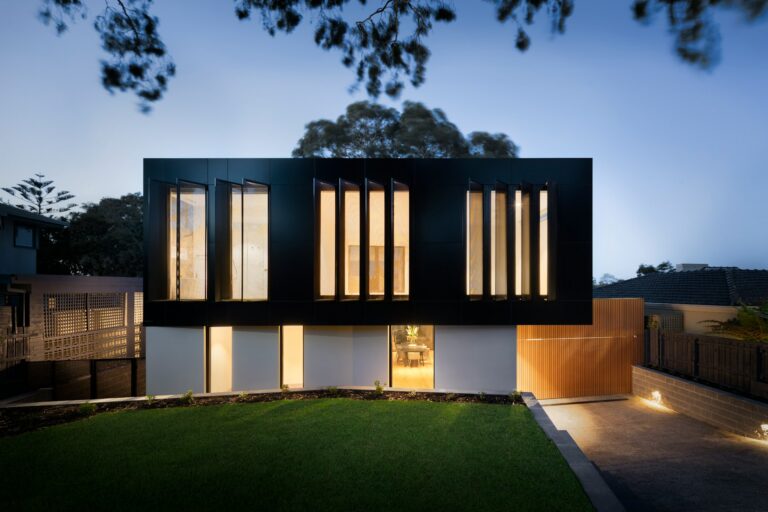
That’s why many homeowners turn to a reliable Anaheim window installer to help make better use of their existing space. They’re not just putting in new glass. They’re changing the way light moves through your home. And in doing so, they’re improving how you use every room—without needing to tear it all apart.
For example, replacing a small window with a larger one in a dark kitchen can transform the room from “cave” to “coffee shop.” Adding energy-efficient glass helps regulate temperature, especially in areas with intense sunlight. And in older homes, even just switching to windows that open more easily can give you better airflow and a brighter space.
The best part? These are changes you can see and feel. You’ll notice the difference the first time sunlight actually makes it to the back wall of your living room.
Where Light Meets Lifestyle
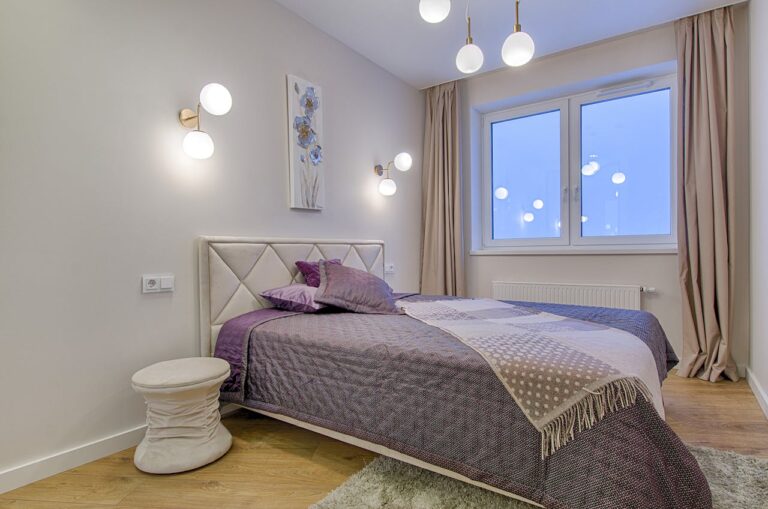
Light doesn’t just brighten up a space. It sets the tone for how you live in it. Bright bathrooms help with morning routines. Soft bedroom lighting winds you down. But here’s the real trick: the placement of that light.
You want your rooms to follow your natural rhythm. East-facing windows are great for morning light. Perfect for breakfast nooks or workout corners. West-facing light, on the other hand, is golden in the evening—great for winding down but sometimes too hot if unfiltered. The orientation of your home affects all of this.
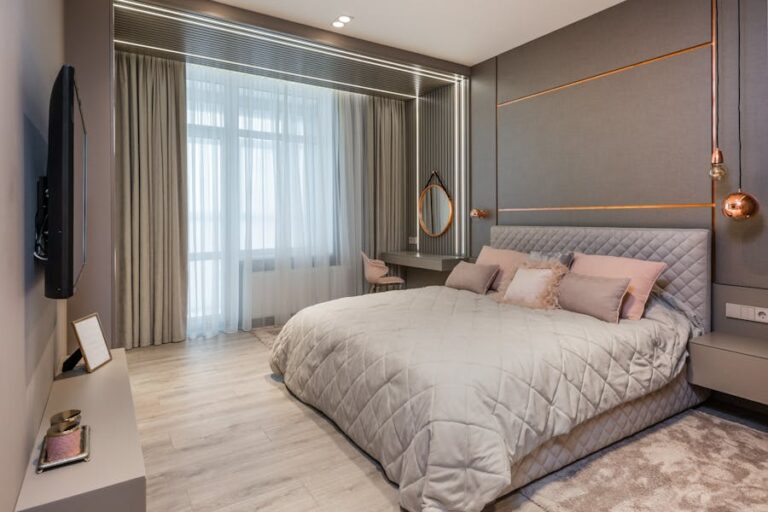
Then there’s the issue of function versus comfort. If you’ve ever worked from home at a desk that catches too much glare at noon, you get it. Light should serve the purpose of the room, not fight it. That might mean adding sheer curtains to diffuse harsh rays or installing adjustable blinds that move with the sun.
Don’t forget the artificial side of the equation. Layered lighting—ceiling lights, task lights, and mood lighting—gives you flexibility. It’s not just about brightness. It’s about options. A single overhead bulb can’t do it all.
Trends That Are (Finally) Getting It Right
Designers and homeowners are paying more attention to light now. And it shows. Open-concept layouts are being rethought. Instead of one big glowing space, people want areas with specific lighting moods. Pendant lights over the kitchen island. Sconces by the bed. Daylight simulation bulbs in home offices.
Skylights are back, but smarter now. Modern versions reduce heat transfer and even open up for ventilation. Smart lighting systems that adjust based on the time of day are gaining traction. And no, it’s not just for tech lovers. Anyone who’s been blasted awake by a bedroom light at 7 a.m. understands the value of soft starts.
What’s also changing is the awareness that lighting should support mental health. More homes now include “sun rooms” or quiet spaces that get consistent daylight. It’s not about square footage. It’s about how you feel in that square footage.
Even paint colors are being chosen based on how they reflect light. Pale tones bounce it around. Dark ones absorb it. So if you want a small room to feel bigger? Choose the paint with that in mind.
A Few Quick Fixes That Make a Big Difference
You don’t need to wait for a renovation to get more from your lighting. Here are a few low-cost, high-impact ideas:
- Use mirrors. Place them across from windows to reflect natural light deeper into the room.
- Add dimmers. One switch, a thousand moods. Especially useful in shared spaces.
- Switch to warm LEDs. They’re easy on the eyes and easier on your power bill.
- Clean your windows. Seriously. It’s a boring task, but dirt cuts down on light more than you’d think.
- Rearrange your furniture. You might be blocking light without realizing it. A small shift can brighten an entire room.
And if your space still feels dull? It might be time to think about your windows. Not just the size or style, but the placement and quality. Light can’t do its job if it’s stuck behind a fogged-up, poorly sealed pane.
The bottom line? Our homes aren’t static. They shift with us. Our schedules change. Our needs change. And light—more than almost anything—has to keep up.
It tells us when to get moving and when to wind down. It helps us work better, sleep better, and feel more grounded. And in a world where we’re spending more time inside, that’s not a luxury. It’s a necessity.
The good news? You don’t have to chase a glow you’ll never get. With the right strategy—and the right windows—you can let light work for you, not against you. Your home will feel better. You’ll feel better. And that, frankly, is worth the switch.