
Owning a home is both a privilege and a responsibility. Beyond the joy of having a place to call your own, there is the ongoing task of keeping it in excellent condition. Preventive maintenance is key to avoiding expensive, unexpected repairs.
By addressing small issues early and following a consistent maintenance plan, homeowners can save thousands of dollars over the long term.
This is especially true in areas, where seasonal weather shifts and occasional severe storms make regular upkeep even more important. Here are essential tips to protect your home from costly repairs.
Tackling Repairs Early and Planning for Financial Protection
One of the best ways to avoid expensive home repairs is to tackle minor issues before they escalate. A small leak, a loose shingle, or a hairline crack in the foundation can quickly develop into major structural damage if ignored.
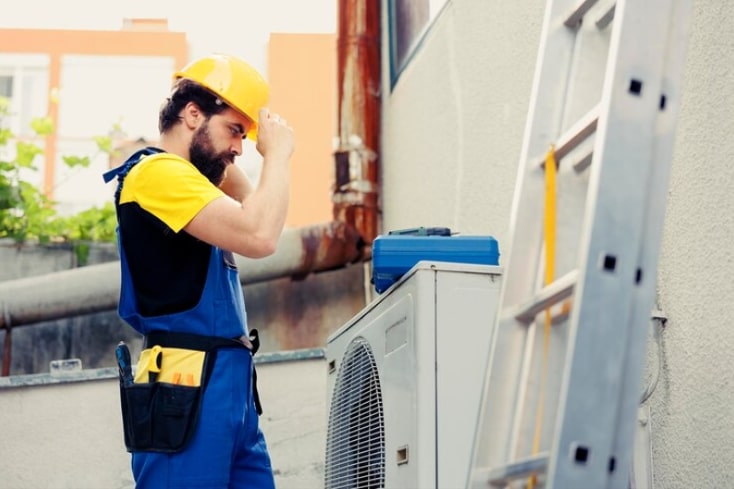
That’s why regular inspections—covering plumbing, roofing, HVAC systems, and electrical wiring—are essential. A qualified professional can identify subtle problems that might escape an untrained eye.
Even with consistent maintenance, unexpected damage can still occur, which is why most residents consider home insurance in Arlington TX, as the location is known for sudden weather changes and occasional severe storms. Having the right coverage not only cushions you from large out-of-pocket expenses but also provides peace of mind when emergencies arise.
For those moments when an urgent repair costs more than your emergency fund can handle, temporary financial options—such as personal loans or a home equity line of credit—can help bridge the gap until insurance reimbursements or savings are available.
Roof and Gutter Maintenance
Your roof is your first line of defense against the elements, so keeping it in top shape is critical. Inspect shingles for wear and tear twice a year—ideally in spring and fall. Replace any loose or missing shingles promptly to prevent water damage. Clean gutters and downspouts regularly to ensure proper drainage and avoid costly foundation issues. Clogged gutters can lead to water pooling near the home, which may cause cracks in the foundation or damage to siding and landscaping.
Additionally, check for signs of moss or algae growth on the roof. These can shorten the lifespan of shingles and lead to leaks. A professional roof cleaning every few years will help preserve the integrity of your roof and save on expensive repairs.
HVAC System Care
Heating and cooling systems keep your home comfortable all year, but without routine upkeep they can break down just when you need them most. To maintain efficiency and reduce strain on the system, replace air filters every one to three months. Additionally, schedule a professional service at least once annually—ideally before periods of extreme temperatures—to ensure peak performance and catch potential problems early.
Inspect ductwork for leaks and clean vents to keep energy bills manageable. A well-maintained HVAC system not only extends the equipment’s lifespan but also ensures a healthier indoor environment by reducing dust and allergens.
Plumbing and Water Damage Prevention
Water damage is among the costliest repairs a homeowner can face. To prevent problems, routinely check under sinks, around toilets, and near appliances like dishwashers and washing machines for leaks. Even a slow drip can waste gallons of water and lead to structural damage or mold growth.
Insulate exposed pipes to prevent freezing in colder months, and know the location of the main shut-off valve in case of an emergency. Consider installing a water leak detection system for early warnings of hidden leaks. Maintaining your water heater by flushing it annually to remove sediment buildup will also help prevent unexpected breakdowns.
Foundation and Exterior Maintenance
Your home’s foundation provides structural support, making its upkeep essential. Inspect the perimeter of your house for cracks or signs of shifting soil. Small cracks can be sealed with appropriate materials, but significant damage requires professional evaluation.
Ensure proper drainage by grading soil away from the foundation. This simple step helps prevent water from pooling near the base of your home, which can weaken the foundation over time. Regularly inspect siding, windows, and doors for gaps or weather damage. Sealing these areas not only protects against moisture but also improves energy efficiency.
Electrical System Safety
Electrical issues can be both dangerous and expensive. Check for signs of wear such as flickering lights, warm outlets, or tripped breakers. Hire a licensed electrician to inspect the system every few years, especially in older homes, to identify potential fire hazards.
Upgrade outdated wiring or panels to meet current safety standards and handle modern electrical loads. Avoid overloading circuits and use surge protectors to protect valuable electronics during storms.
Seasonal and Landscape Upkeep
Seasonal maintenance helps prevent damage caused by extreme weather. In winter, clear snow and ice from walkways and driveways to reduce slip hazards and protect concrete. In spring, inspect for storm damage and clean outdoor furniture and decks. Summer is ideal for painting or sealing wood surfaces, while autumn calls for raking leaves and preparing gardens for colder months.
Proper landscaping also plays a key role in protecting your home. Keep trees and shrubs trimmed to prevent branches from damaging the roof or siding. Choose plants and trees that are appropriate for your climate and avoid planting large trees too close to the house, where roots can interfere with the foundation or underground pipes.
Indoor Maintenance and Appliance Care
Inside the home, regular cleaning and maintenance of appliances and fixtures can extend their lifespan. Clean refrigerator coils, check seals on doors and windows, and test smoke and carbon monoxide detectors monthly. Replace batteries as needed to ensure they function during emergencies.
Inspect caulking around bathtubs, showers, and sinks to prevent water from seeping into walls and causing hidden damage. Periodically check and clean the dryer vent to reduce fire risks and improve efficiency.
By staying vigilant and performing routine maintenance, homeowners can avoid the stress and financial burden of major repairs. Small, consistent efforts—such as inspecting the roof, servicing the HVAC system, and monitoring plumbing—can add years of life to your home’s key components. Pairing these preventive measures with adequate financial planning and reliable insurance coverage ensures that your home remains a safe, comfortable, and valuable asset for years to come.