A cooktop is used almost every day for preparing meals, boiling water, and completing routine kitchen tasks. When one burner stops heating or the entire appliance fails to operate, cooking can quickly become inconvenient and, in some situations, unsafe.
Cooktop problems may develop gradually or appear without warning. A burner might heat inconsistently, the controls may stop responding, or the appliance may begin producing unusual sounds or odors. Understanding the possible causes can help homeowners determine which basic checks are safe to perform and when professional repair is necessary.
What Are the Most Common Cooktop Problems?
Cooktops are available in electric coil, radiant glass, induction, and gas configurations. Although these models use different heating systems, many of the warning signs of failure are similar.
Common cooktop problems include:
- One or more burners do not heat;
- A burner heats only at the highest setting;
- The cooking surface heats slowly or unevenly;
- The cooktop does not turn on;
- The control panel or touch controls do not respond;
- The indicator light remains on after the cooktop cools;
- An electric burner cycles on and off too frequently;
- An induction zone does not recognize compatible cookware;
- A gas burner clicks but does not ignite;
- The flame is weak, uneven, or unusually colored;
- The appliance produces sparks, smoke, or a burning smell;
- The cooktop repeatedly trips the circuit breaker.
These symptoms may be connected to a heating element, burner receptacle, temperature limiter, ignition switch, spark module, control board, sensor, wiring connection, power supply, or another internal component.
Why Is One Electric Cooktop Burner Not Heating?
When only one electric burner stops working, the problem is often limited to the components associated with that cooking zone. Depending on the cooktop design, the cause may include a failed surface element, damaged burner receptacle, defective switch, loose connection, or faulty temperature limiter.
On a coil cooktop, a removable burner may sometimes be checked by confirming that it is properly positioned in its receptacle. The cooktop should be turned off and completely cool before any accessible component is touched.
Radiant glass cooktops use heating elements installed underneath the glass surface. Accessing these elements requires disassembling part of the appliance, so diagnosis and replacement should be completed by a qualified technician.
Why Does a Burner Stay on High Heat?
A burner that remains at maximum heat even when a lower setting is selected may have a defective control switch, temperature sensor, or electronic control component. This malfunction can cause food to burn and may overheat cookware or surrounding cooktop parts.
If a burner does not respond correctly to the controls, stop using that cooking zone. Turning the control knob or touch setting down may not reduce the temperature when the switch or control system has failed.
The appliance should be inspected before the affected burner is used again. Continuing to operate an uncontrolled heating element may create a fire or burn hazard.
Why Is the Electric Cooktop Not Turning On?
If the entire cooktop is unresponsive, the first step is to verify that it is receiving power. Many electric and induction cooktops use a dedicated 240-volt electrical circuit rather than a standard wall outlet.
Homeowners can check whether the circuit breaker has tripped. However, a breaker that trips repeatedly should not simply be reset each time. Repeated tripping may indicate damaged wiring, a shorted heating element, a failed terminal connection, or another electrical problem.
Additional causes of a cooktop that will not start may include:
- A loose or damaged power connection;
- A failed internal fuse;
- A defective control board;
- A damaged touch-control panel;
- An activated control lock;
- A wiring or terminal block failure.
The control-lock setting should be checked according to the appliance manual. If the cooktop remains unresponsive after confirming the settings and power supply, professional diagnostics may be required.
Why Is an Induction Cooktop Not Detecting the Pan?
Induction cooktops use electromagnetic energy and require cookware with a magnetic base. Glass, copper, aluminum, and some stainless-steel pans may not work unless they contain an induction-compatible layer.
If an induction cooking zone does not activate, homeowners can first check that:
- The cookware is marked as induction compatible;
- The pan is centered on the cooking zone;
- The pan base is large enough for the selected zone;
- The cooking surface and pan bottom are clean;
- The control lock is not activated;
- The cooktop is not displaying an overheating warning.
If compatible cookware works on one zone but not another, the affected area may have a failed induction coil, temperature sensor, power module, or control component.
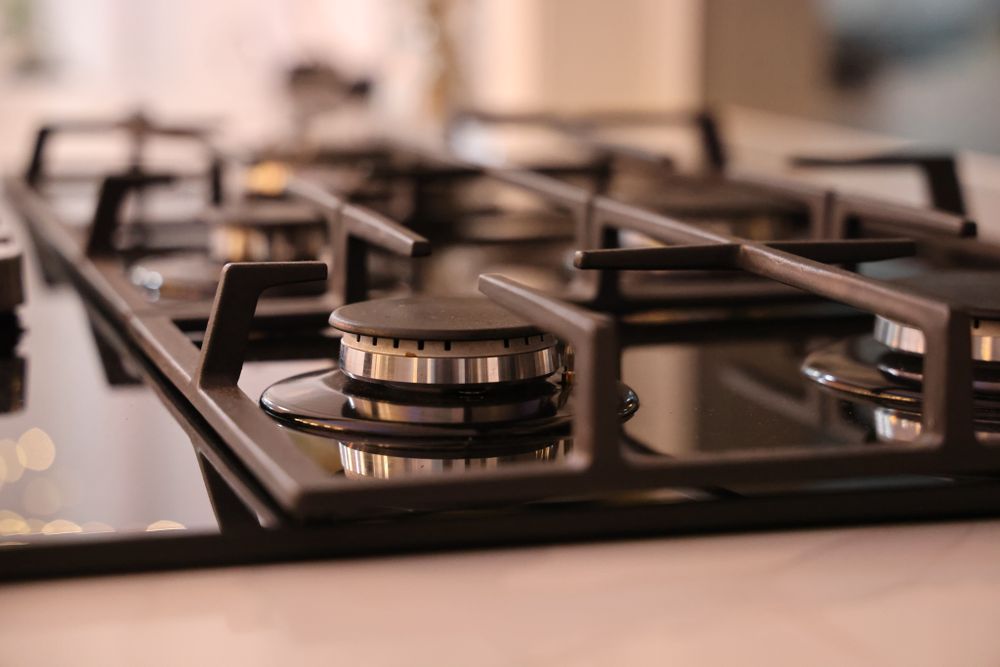
Why Does a Gas Cooktop Click but Not Ignite?
A gas burner normally clicks briefly while producing a spark that ignites the gas. If clicking continues without ignition, the burner cap may be incorrectly positioned, the burner ports may be blocked, or moisture may be present around the ignition components.
After the cooktop is turned off and completely cool, removable burner caps can be checked for correct placement. Food residue should be cleaned according to the manufacturer’s instructions without enlarging or damaging the burner openings.
Persistent ignition problems may involve:
- A contaminated or damaged spark electrode;
- A faulty ignition switch;
- A defective spark module;
- Loose or damaged wiring;
- Restricted gas flow;
- An incorrectly installed burner cap.
If gas can be smelled but the burner does not ignite, turn the controls off immediately. Avoid flames, electrical switches, and anything that could create a spark. Leave the area and contact the gas utility or emergency service according to local safety guidance.
Why Is the Gas Flame Weak or Uneven?
A normal gas flame should be stable and distributed evenly around the burner. A weak, irregular, or excessively yellow flame may be caused by blocked burner ports, an incorrectly positioned cap, improper air-to-gas balance, or a gas-supply issue.
Minor surface contamination may be removable through normal cleaning. However, gas pressure, valves, regulators, and internal gas connections should be inspected only by a qualified professional.
A burner should not be used when the flame is unstable, produces soot, or continues going out during operation.
What Does a Burning Smell from a Cooktop Mean?
A temporary odor may occur when spilled food or grease burns on a hot surface. The cooktop should be allowed to cool before the area is cleaned using products approved for its surface type.
A persistent electrical or plastic-like burning smell may indicate:
- Overheated wiring;
- A damaged terminal connection;
- A failing burner receptacle;
- A shorted heating element;
- An overheating control board;
- Internal insulation damage.
If the smell appears to come from inside the appliance, stop using the cooktop and disconnect its power when it is safe to do so. Smoke, visible sparks, or melted components require immediate professional attention.
Can a Cracked Glass Cooktop Be Repaired?
A cracked glass cooking surface generally requires replacement rather than cosmetic repair. Even a small crack may expand as the surface repeatedly heats and cools. Liquids can also enter the appliance through the damaged area and reach electrical components.
Using cookware on cracked glass may cause the damage to spread or allow the surface to break further. The affected cooking area should not be used until the cooktop has been professionally evaluated.
The technician will need the appliance model information to determine whether the correct replacement glass is available and whether replacing it is financially reasonable.
When Should You Call a Cooktop Repair Technician?
Professional cooktop service should be scheduled when:
- A burner does not heat after basic settings have been checked;
- The burner temperature cannot be controlled;
- The appliance repeatedly trips the breaker;
- The controls or display remain unresponsive;
- An induction zone does not recognize compatible cookware;
- A gas burner repeatedly fails to ignite;
- The flame is unstable or produces soot;
- The cooktop produces sparks or an electrical odor;
- The glass cooking surface is cracked;
- An error code returns after restarting the appliance.
Cooktops combine high temperatures with electricity or gas. Repairs involving internal wiring, gas valves, ignition systems, power modules, or heating elements should not be attempted without appropriate training and diagnostic equipment.
Is It Worth Repairing a Cooktop?
The choice between repairing and replacing a cooktop depends on its age, condition, design, installation, replacement-part availability, and the cost of the failed component.
Repair may be practical when:
- The appliance is relatively new;
- The problem affects only one heating zone;
- The failed switch, sensor, igniter, or element can be replaced;
- The cooktop is built into a custom countertop;
- A replacement model would require countertop modifications;
- The appliance is a premium gas or induction model;
- The remaining components are in good condition.
Replacement may be more appropriate when an older cooktop has multiple failures, extensive glass damage, unavailable replacement parts, or repair costs close to the price of a comparable new appliance.
Professional Appliance Repair in Maryland, DC, and Virginia
Accurate cooktop diagnostics involve testing the components related to the reported symptoms rather than replacing parts based only on assumptions. The inspection may include the power connection, burners, switches, controls, sensors, ignition system, wiring, and safety components.
Homeowners looking for professional appliance repair in Maryland can contact InterTech Appliance Repair for diagnostic and repair service. Identifying the actual source of the failure helps avoid unnecessary part replacement and allows the homeowner to make an informed repair decision.
Cooktop Repair Service Areas
Professional appliance repair services may be available throughout Maryland, Washington, DC, and Northern Virginia.
Maryland service areas include Bethesda, Rockville, Potomac, Silver Spring, Clarksville, Fulton, Ellicott City, Columbia, Gaithersburg, Germantown, North Bethesda, Kensington, Chevy Chase, and Derwood.
Additional locations include Washington, DC, along with Arlington, Alexandria, McLean, Tysons, Falls Church, and Reston in Virginia. Customers in other nearby communities can contact the company to confirm service availability.
How Can You Help Prevent Cooktop Problems?
Regular cleaning and proper use may help protect the cooktop and make developing problems easier to notice.
- Clean spills after the cooking surface has cooled;
- Use cookware that matches the burner size;
- Avoid dropping heavy cookware on a glass surface;
- Keep gas burner caps correctly positioned;
- Do not allow food residue to block burner ports;
- Use induction-compatible cookware on induction models;
- Avoid using a burner that heats uncontrollably;
- Do not ignore repeated error codes or breaker trips;
- Arrange service when unusual odors, sparks, or ignition problems appear.
Schedule Professional Cooktop Repair Services
A malfunctioning cooktop may make meal preparation difficult and create electrical, burn, or gas-related safety concerns. Problems such as a nonheating burner, uncontrolled temperature, failed ignition, cracked glass, or recurring error messages should be diagnosed before the appliance is used again.
For dependable Cooktop Repair Services, contact a qualified appliance repair provider. Professional diagnostics can identify the failed component and help restore safe, consistent cooktop performance whenever repair is the practical solution.
Read more interesting articles at Homeslong.net.