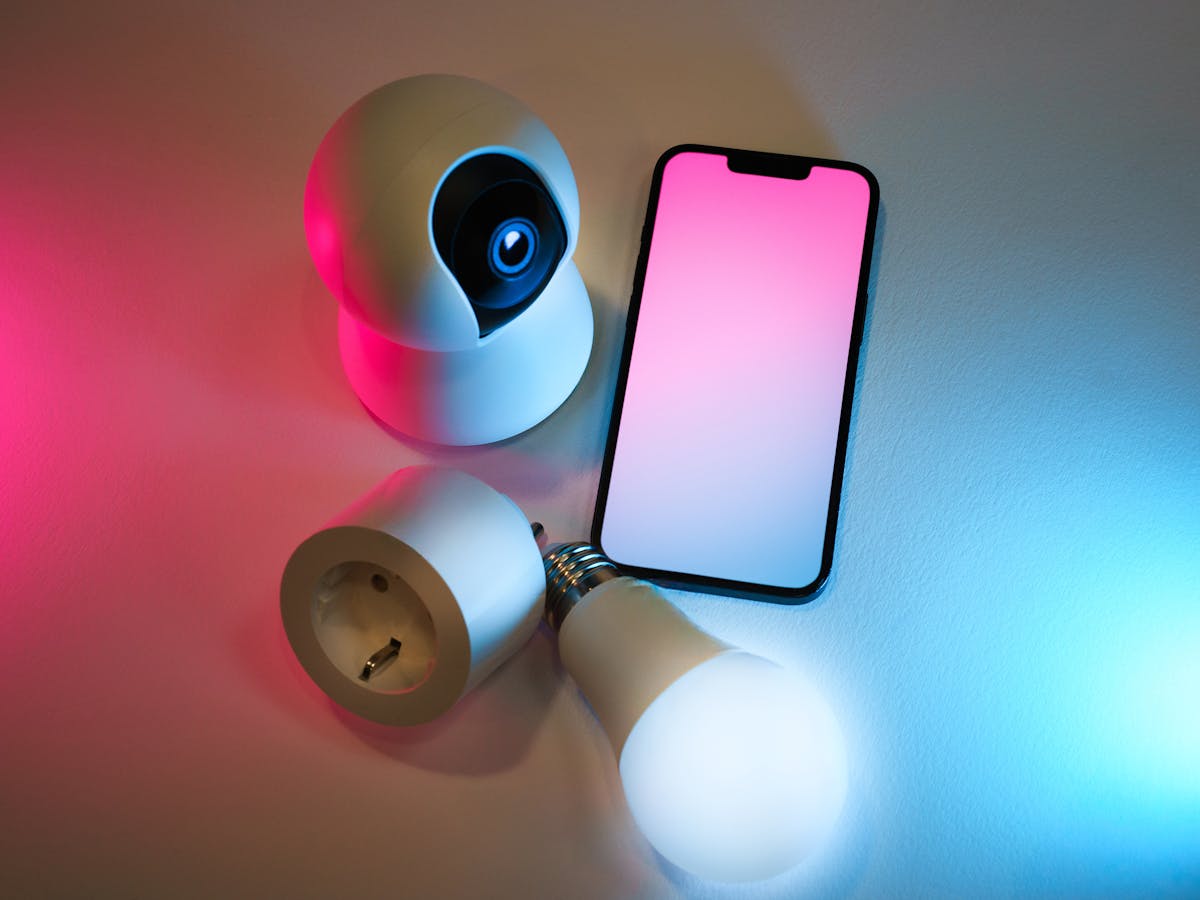
Smart home tech promises convenience, comfort, and control. From lights that respond to your voice to security systems you can check from anywhere, it all sounds seamless. But many people discover a frustrating truth after installing a few devices: the tech is only as smart as the connection behind it.
Before buying another gadget, it’s worth stepping back and looking at the foundation that supports all of it. A reliable internet connection doesn’t just make smart devices work — it determines how well they work, how quickly they respond, and how much value you actually get from them.
The Hidden Dependency Behind Smart Devices
Most smart home products rely on constant communication. Your thermostat checks the weather, your doorbell streams video, and your speaker responds to commands in real time. All of this data travels through your home network.
If your connection struggles, devices may:
- Lag before responding
- Drop offline unexpectedly
- Fail to sync with apps or routines
- Work fine alone but struggle when used together
This is why, before investing in more hardware, it makes sense to assess your connection and compare internet providers to ensure your setup can support what you’re building.
Why Speed Isn’t the Only Thing That Matters
It’s easy to focus on download speed because it’s the number most plans advertise. While speed is important, smart homes depend on more than just fast downloads.
Here are a few factors that matter just as much:
Consistency
A steady connection is often more valuable than peak speed. Smart devices need reliability, not occasional bursts of performance.
Upload Performance
Cameras, video doorbells, and cloud backups rely heavily on uploads. Weak upload speeds can lead to grainy video or delayed alerts.
Latency
Latency affects how quickly commands travel from your phone or voice assistant to the device. High latency causes noticeable delays, even if speeds look good on paper.
Network Capacity
As more devices connect at once, your network needs to handle multiple requests without slowing everything down.
Common Smart Home Problems That Trace Back to Internet Issues
Many smart home frustrations aren’t caused by faulty devices at all. They’re symptoms of an overstretched or outdated connection.
You might notice:
- Lights responding seconds after a command
- Smart plugs disconnecting randomly
- Video feeds buffering or freezing
- Automations failing during busy times
These issues often appear gradually as more devices are added, which makes them easy to misdiagnose. People replace devices when the real bottleneck is the network.
Planning Your Smart Home With the Future in Mind
A smart home tends to grow. You start with a speaker or a light, then add cameras, locks, sensors, and appliances over time. Planning for future demand saves money and frustration later.
Before upgrading your connection, consider:
- How many devices you already have
- Which devices stream video or audio
- Whether multiple people work or study from home
- If you plan to add security systems or smart appliances
Thinking ahead helps you choose a setup that won’t need replacing every time you expand.
Improving Performance Without Replacing Everything
Sometimes the issue isn’t your internet plan but how it’s distributed around the house.
Simple improvements can make a big difference:
- Positioning your router centrally
- Using a mesh Wi-Fi system for larger homes
- Connecting high-demand devices via ethernet
- Separating smart devices onto a dedicated network
These changes reduce congestion and help devices communicate more efficiently.
When It’s Time to Reassess Your Connection
Technology moves quickly, and what worked a few years ago may not suit today’s homes. If your connection was chosen before smart devices became common, it may no longer match your needs.
Signs it’s time to reassess include:
- Frequent dropouts or slowdowns
- Devices working better late at night than during the day
- New devices struggling while older ones still work
- Having to reset your router often
At that point, reviewing your plan and exploring alternatives can unlock better performance without changing a single device.
A Smarter Home Starts With the Basics
Smart homes aren’t just about clever gadgets. They’re systems, and every system needs a solid foundation. When the connection is strong, devices fade into the background and simply work. When it isn’t, even the best tech becomes a daily annoyance.
Taking the time to get the basics right ensures every upgrade adds real value. Instead of troubleshooting and resets, you get a home that responds smoothly, reliably, and exactly how you expect — which is the whole point of going smart in the first place.