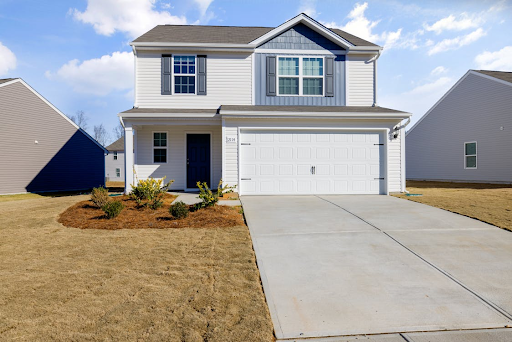

Preparing a home for a major renovation feels stressful when every room seems to demand attention, but a clear plan eases the pressure and keeps the process manageable. A well-structured approach helps maintain control, protect belongings, and keep daily routines from falling apart during construction. Focusing on organization, timelines, and communication builds confidence and reduces anxiety. The goal centers on creating a living environment that remains functional while crews transform the space. With thoughtful steps, the experience shifts from chaotic to manageable, and the project moves forward smoothly without draining energy or creating unnecessary tension for the household.
1. Clarify the Renovation Goals
Start by defining exactly what the renovation must achieve and outline the main improvements that matter most. This clarity helps guide decisions and prevents distractions from shifting the focus away from essential tasks. Create a list of priorities, discuss them with everyone involved, and refine the vision until the plan feels realistic and aligned with the household’s needs. Clear goals also make conversations with contractors easier, since everyone understands the desired outcome. Treat this step as the foundation of the entire project, because strong direction supports smooth progress from the first day of planning.
2. Establish a Practical Budget and Timeline
Build a budget that covers materials, labor, permits, and a small buffer for surprise expenses. A realistic financial plan reduces stress once the work begins and keeps spending under control. Track expected costs and revise the budget when needed to stay aligned with the project’s pace. Focus on timing as well, since a renovation without structure leads to frustration. Set milestones that guide every phase and confirm them with the professionals handling the job. Residential roofing contractors often suggest similar planning strategies, since organized timelines help crews work efficiently and avoid delays. A balanced budget and well-paced schedule support a calm renovation experience.
3. Prepare Living Spaces for Disruption
Renovations bring dust, noise, and limited access to certain areas, so plan ahead to reduce discomfort. Move essential items to a temporary space that remains clean and accessible throughout the project. Cover furniture, pack valuables, and label boxes clearly so nothing gets lost or damaged. Think about daily routines such as cooking, working, or relaxing, and adjust those habits before construction starts. If one room loses functionality, identify another area that can temporarily serve the same purpose. A little preparation strengthens the household’s ability to handle disruptions without feeling overwhelmed or frustrated.
4. Protect Belongings and Sensitive Areas
Focus on shielding items that hold sentimental or financial value. Use sturdy containers, plastic wrap, and padded covers to protect delicate belongings from dust and debris. Store fragile items in rooms untouched by the renovation or move them off-site if space runs out. Pay special attention to electronics, artwork, and important documents, since these items require extra care. Seal vents in nearby rooms to stop dust from spreading and create clear paths for workers to move through the home safely. Taking these precautions ensures everything stays secure while construction teams concentrate on completing the project.
5. Communicate Clearly with Your Contractors
Strong communication keeps the renovation on track and prevents misunderstandings. Share expectations early, ask questions whenever something feels unclear, and request updates as the project progresses. Consistent check-ins allow adjustments before small issues turn into costly problems. A respectful conversation style encourages contractors to offer insights that improve the final result. Make decisions promptly, since delays in approval slow down the entire renovation. Clear communication builds trust, and that trust leads to smoother workflows, fewer surprises, and a more comfortable experience for everyone involved.
6. Create a Temporary Living Strategy
A renovation changes how every room functions, so develop a flexible living strategy before construction begins. Identify the spaces that will stay accessible and organize them to support daily needs. Set up a temporary kitchen if the main one will undergo work, gather essential cooking tools, and rely on simple meals to reduce stress. Choose a quiet corner for work or relaxation to maintain normal routines. Keep pathways clear so movement around the home stays easy. When the household understands how to live around the disruption, the renovation feels less chaotic and far more manageable.
7. Maintain Safety Throughout the Project
Safety must stay at the center of every renovation plan. Keep children and pets away from active work zones by using gates or temporary barriers. Store tools in secure locations at the end of each day so no one trips or gets hurt. Ensure proper lighting around the construction area to support safe movement, especially at night. Communicate potential hazards with everyone in the house so no one walks into a risky situation unexpectedly. When a home stays safe and organized, the renovation progresses smoothly and the household stays confident throughout every phase.
8. Monitor Progress Without Micromanaging
Stay involved in the renovation but allow the professionals enough space to complete the work efficiently. Schedule brief check-ins to discuss updates, clarify details, and confirm that the project matches your expectations. Ask questions when something seems unclear so misunderstandings never build up. Keep a running list of tasks and compare it with the contractor’s timeline to ensure everything moves in the right direction. A thoughtful balance between oversight and trust strengthens collaboration. When both sides communicate comfortably, the renovation keeps its momentum and reaches key milestones on time.
9. Adapt When Plans Change
Even strong plans experience unexpected turns, so maintain flexibility when challenges appear. Materials may run out, weather may delay outdoor work, or certain ideas may require adjustments once construction begins. Instead of letting frustration rise, focus on solutions that keep the renovation moving forward. Talk through alternatives with the contractor and choose options that preserve the project’s overall vision. A resilient mindset helps the household stay calm, and that calm energy supports better decision-making. Adaptability turns potential stress into manageable progress and keeps the entire experience more positive.
Preparing a home for a major renovation becomes far less overwhelming when the household follows a clear and thoughtful plan. Strong communication, organized spaces, safety awareness, and adaptable thinking support a smoother process. Each step builds confidence and reduces stress, allowing the renovation to unfold with structure and stability. With the right preparation, the entire experience feels manageable, and the finished result brings comfort, improved functionality, and long-lasting satisfaction.