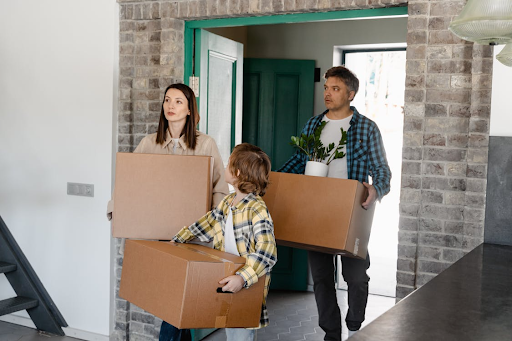

Moving overseas is exciting but also demanding. It is not just about choosing stylish apartments or sunny balconies. You need to set up utilities, check safety features, and make sure your home is ready to live in. A smooth transition means focusing on both the practical setup and the long-term well-being of your household.
Before anything else, think about the systems that will support your life abroad. Research how to connect utilities, where to shop for daily essentials, and what services are available nearby. It is also smart to prepare for health needs by arranging international private medical insurance (IPMI) before you arrive. This gives you access to reliable medical care, checkups, and emergency treatment without worrying about unexpected costs in a new country. A little planning upfront can prevent stress later and helps you settle into your new surroundings with confidence.
Setting Up a Functional Home
Before you start decorating or buying furniture, take care of the essentials. Electricity, water, and internet access should be reliable from day one. In some countries, you might find prepaid meters for utilities, while in others you may wait weeks for internet installation. Planning ahead avoids these delays and keeps daily life running smoothly.
Safety should come next. Check that doors have strong locks and that smoke alarms work properly. Walk around the area at night to see if streets are well lit. This simple check helps you feel secure in your new surroundings and ensures that your home is more than just a place to sleep.
Health and Medical Planning
Living abroad also means preparing for unexpected health needs. Finding clinics or hospitals in a new country can be stressful, especially when you are unwell. Knowing where to go and what services are available in advance saves time in an emergency. If you need regular medication, locate pharmacies and check whether your prescriptions are available locally.
Making Your Space Comfortable
Once utilities and safety measures are in place, focus on making the home yours. Small touches such as family photos, familiar kitchen items, or favorite snacks can bring comfort. These details help you feel settled and connected when everything else feels unfamiliar.
Building social connections is just as important. Introducing yourself to neighbors, joining community groups, or taking local language classes makes the adjustment period easier. A well-maintained house feels even better when you have people to share the experience with.
Thinking Ahead for the Future
If you rent, review your lease carefully to understand rent adjustments, maintenance rules, and renewal terms. If you own property, prepare for routine upkeep and potential repairs. Include local taxes and service fees in your budget so you don’t face unexpected expenses later.
Consider flexibility during the first few months. Many expats choose furnished rentals at first to make relocation easier. This option gives you time to learn about neighborhoods before committing to a permanent arrangement.
Final Thoughts
Creating a secure and comfortable home overseas takes more than just renting a place. It requires a plan for utilities, security, medical care, comfort, and community. When these pieces come together, your house quickly feels like home. You can close the door at night knowing your space is secure, functional, and ready to support your life abroad.