Going solar sounds straightforward on the surface: a crew shows up, panels go on the roof, and your electricity bill drops. But the reality of home solar installation is a lot more involved, especially in the weeks and months before a single panel is mounted. Most homeowners spend a lot of time researching equipment and financing, and not nearly enough time thinking about the preparation phase. That gap is where surprises happen.
If you’re planning a home solar installation, the decisions you make (and the things you overlook) before the crew arrives will shape everything from your permit timeline to your system’s long-term performance. Here’s what tends to fall through the cracks.
Your Roof May Not Be Ready
Solar panels are typically warrantied for 25 years. Your roof needs to last at least that long, too, or you’ll be paying to remove and reinstall the system when it’s time for a roof replacement. Before any installation begins, have a roofer assess the current condition of your shingles, flashing, and decking. If your roof is more than 10–15 years old, it’s worth replacing it first. Doing so after the panels are up costs significantly more.
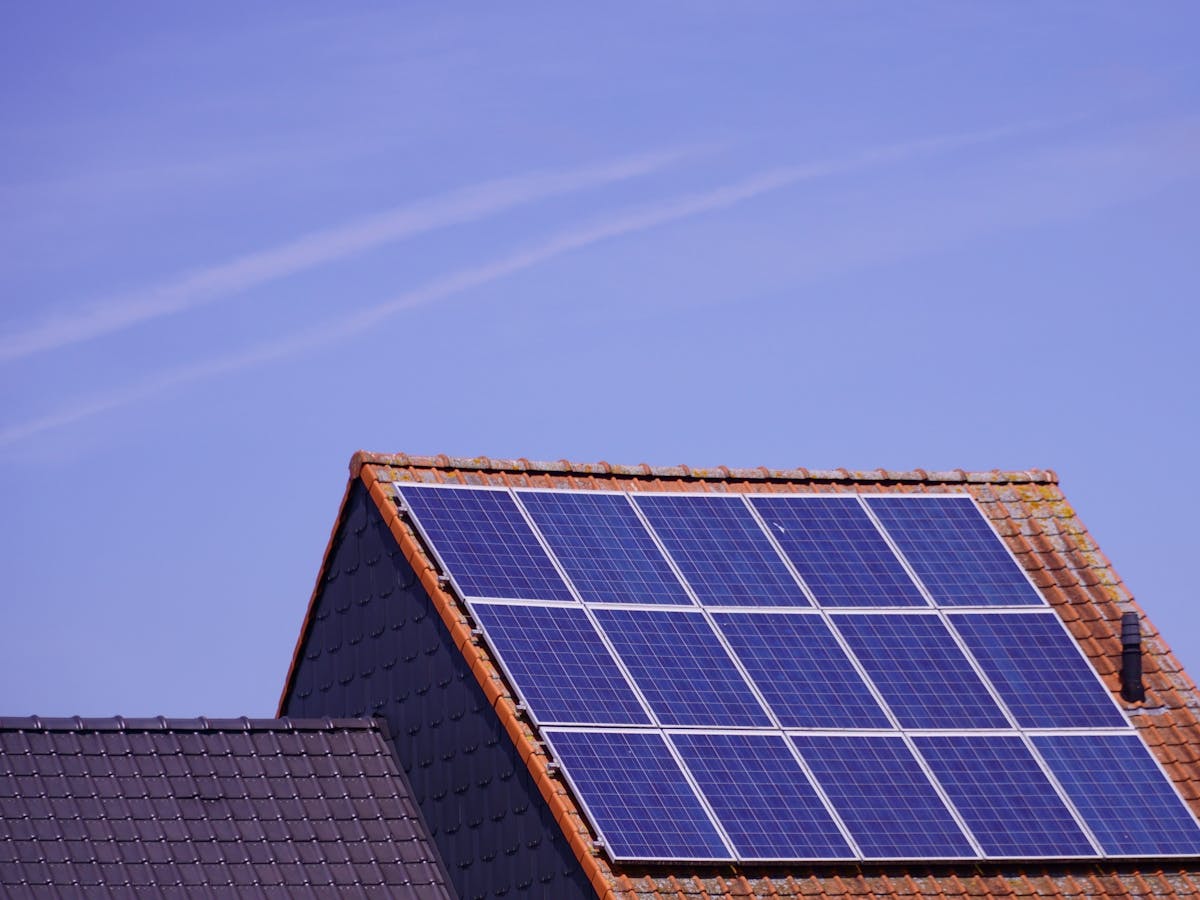
Roof pitch, orientation, and shading also matter more than people expect. South-facing roof sections at a moderate pitch produce the most energy, but obstructions like chimneys, dormers, skylights, and HVAC equipment can limit usable space in ways that aren’t obvious until a site assessment is done. Don’t assume that because you have a big roof, you’ll have space for a big system.
Your Electrical Panel Might Need an Upgrade
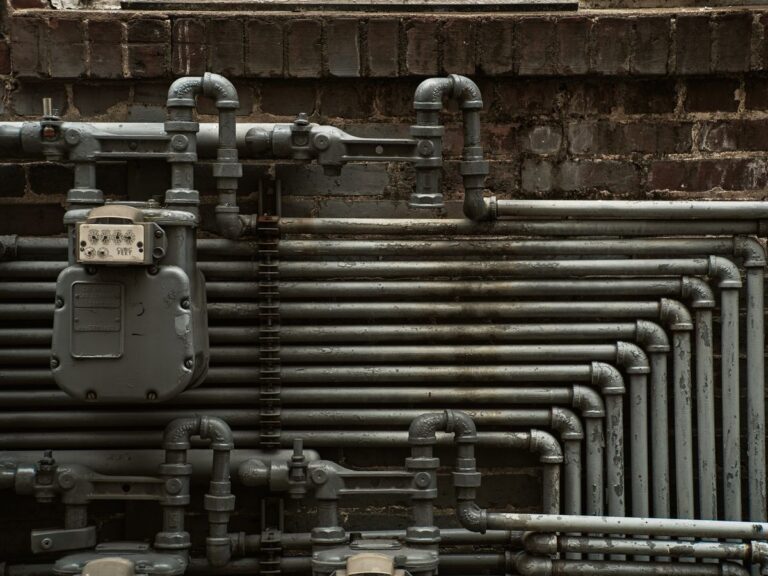
Many older homes have electrical panels rated at 100 amps, which was perfectly adequate before EVs, heat pumps, and high-efficiency appliances became common. Solar systems, especially those paired with battery backup or EV chargers, often require a 200-amp panel. If yours needs upgrading, that’s an additional cost and permitting step that can add weeks to your project timeline.
Ask your installer to assess your panel during the initial site visit, before contracts are signed. An upgrade isn’t a dealbreaker, but you want it priced into the project from the start, not discovered mid-installation.
Permits Take Longer Than You Think
Solar installations require building permits and, in most cases, electrical permits as well. The timeline for approval varies widely by municipality. Some processes permit in a few days, others take several weeks. HOAs add another layer: many require architectural review and written approval before any exterior work can begin.
If you’re hoping to have your system producing power by a specific date, work backward from that goal and account for permitting time. A reputable installer will handle permit applications on your behalf, but the municipal clock starts ticking when the application is submitted — not when you sign a contract.
Utility Interconnection Is Its Own Process
Even after your system is fully installed and inspected, you won’t be generating usable solar power until your utility company approves interconnection and installs a new meter. This approval — sometimes called “permission to operate” — can take anywhere from a few days to several weeks depending on your utility and grid conditions.
This step is non-negotiable and entirely outside your installer’s control. Build it into your expectations. Your panels may be on the roof and your inverter may be running before you can legally export power to the grid.
Tree Trimming and Shading Analysis
Shading is the enemy of solar production. Even partial shading on one panel can drag down the output of an entire string, depending on how the system is configured. Before installation, take a hard look at nearby trees — not just how they look now, but how they’ll look in five or ten years as they continue to grow.
A good installer will run a shading analysis as part of the design process. But you should also consider whether tree removal or trimming is worth doing before the system is designed, since it could meaningfully change the optimal placement and size of the array.
Know Your Incentives Before You Sign
Solar incentive programs — state grants, utility rebates, net metering policies, and tax exemptions — can meaningfully reduce the cost of your system, but they come with conditions, application timelines, and, in some cases, capacity limits. Some programs operate on a first-come, first-served basis and may have limited funding available.
Do your research on what’s currently available in your state before you sign a contract. Incentive programs change — some expire, some are modified, and new ones are introduced. An installer who stays current on your state’s specific programs is a genuine asset here. The difference between a well-informed and poorly-informed decision on incentives can amount to thousands of dollars.
The Bottom Line
Home solar is one of the most valuable upgrades a homeowner can make — but the preparation phase deserves as much attention as the equipment itself. Roof condition, electrical capacity, permitting timelines, utility approvals, shading, and incentive eligibility all need to be addressed before installation day. Get ahead of them, and the process goes smoothly. Overlook them, and you’re likely to face delays, unexpected costs, or a system that underperforms.
Work with an installer who asks the right questions from the start — one who walks through all of these factors before a contract is signed. The best solar installations are the ones where the homeowner knew exactly what to expect every step of the way.