As the ground thaws in Springboro, homeowners are eagerly heading to local nurseries to plan their spring landscapes. While the focus in April is usually on curb appeal and floral blooms, the decisions you make today will dictate the “canvas” you have to work with when the holidays arrive. If you want a breathtaking winter display, you have to think about your lighting architecture while you are still holding a garden trowel.
1. Planting for Growth, Not Just Current Space
One of the most common mistakes made during spring planting is failing to account for the “Vertical Velocity” of new shrubs and trees. That cute, 2-foot evergreen you plant near the corner of your house today might grow six inches to a foot by December.
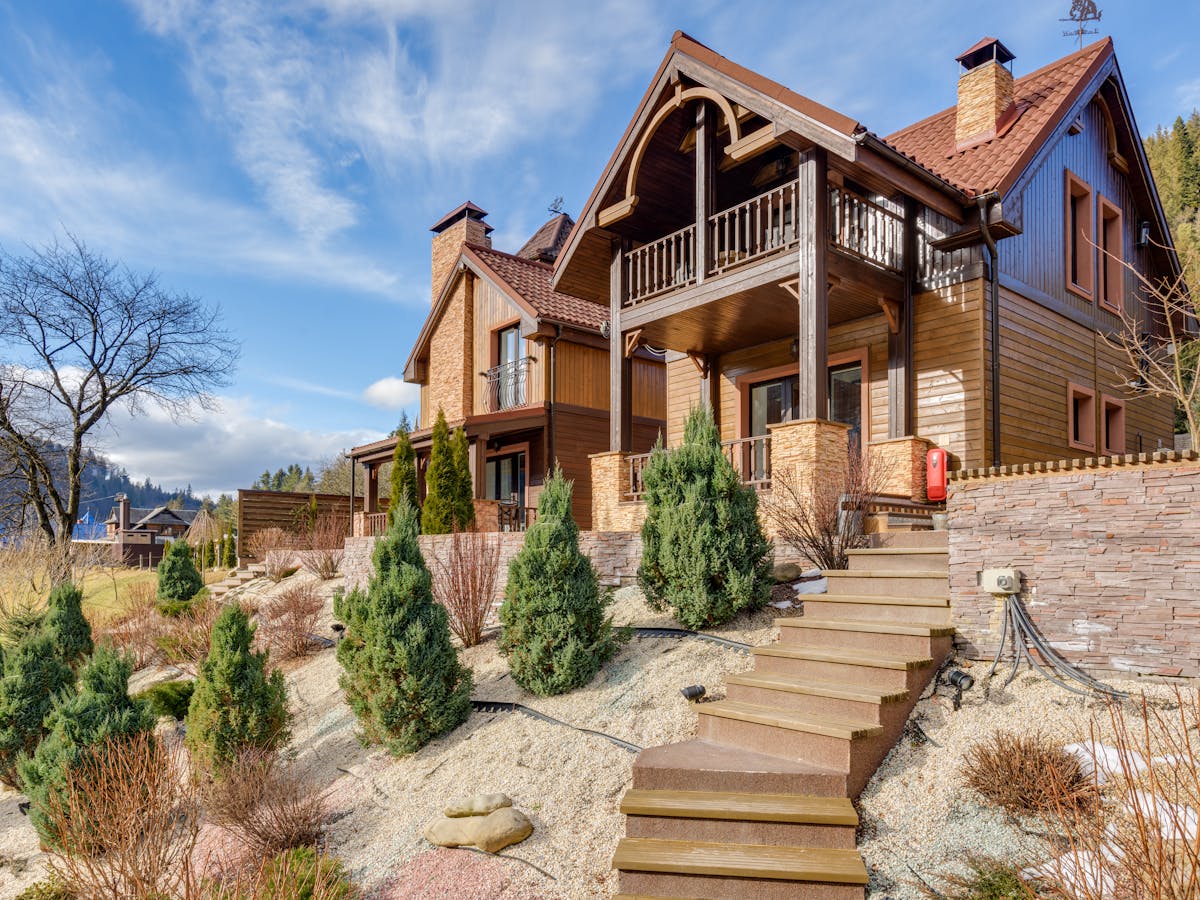
If you plant too close to the foundation or directly beneath your eaves, those branches will eventually obscure your roofline. When it comes time for holiday decorating, you’ll find that the crisp, straight lines of your C9 bulbs are hidden behind a wall of foliage. Always check the mature width and height of your plants to ensure you are leaving a “light corridor” between the greenery and your home’s architectural features.
2. The Impact of Garden Bed Expansion
Adding new mulch beds or stone borders is a popular spring project, but it can unintentionally complicate your lighting power grid. Many homeowners realize too late that they’ve placed a dense garden bed directly over the path where their extension cords usually run.
Furthermore, if you are adding new trees to a bed, consider their lighting potential. A well-placed deciduous tree is a perfect candidate for “trunk wrapping,” but if it’s placed too far from an outlet or blocked by high-density shrubs, the logistical headache of powering those lights can become overwhelming.
3. Trimming Trees with a Vision
Spring is the ideal time for structural pruning. When you trim your trees this month, look at the “bones” of the branches. Are there clear paths for light strands to follow? Overcrowded branches not only look messy in the spring but also create a tangled nightmare for installers in the winter. Thinning out the interior of a tree now ensures that when you wrap the branches later, the lights will glow with clarity rather than being buried in a thicket of twigs.
4. Professional Planning in the Off-Season
While you are focused on the soil, lighting experts are already looking at the skyline. Choosing a service for professional Christmas light installation in Springboro OH involves an architectural audit of your property.
Professionals look at your spring landscaping choices to determine:
- Pathway Visibility: Ensuring new garden features don’t create trip hazards for light displays.
- Power Capacity: Planning for extra “taps” or cord concealment around new stone walls or water features.
- Symmetry: Adjusting the lighting design to compensate for new focal points in your yard.
Conclusion: The Year-Round Home Exterior
A beautiful home is a 12-month project. By considering your holiday lighting during your spring landscaping sessions, you avoid the frustration of “hidden” lights and blocked views. Take the time this April to plant with a vision, prune with purpose, and consult with the experts to ensure your home is the brightest on the block come December.